

Analyzer Scale Inspection Service
Accurate mass measurement is critical in laboratories, quality control workflows, and regulated production environments where even small deviations can affect test results, formulations, or compliance records. A structured Analyzer Scale Inspection Service helps verify that analytical and similar high-resolution balances are operating as expected, supporting reliable day-to-day weighing performance.
For organizations that depend on traceable measurement practices, inspection is not just a maintenance task. It is part of a broader quality system that helps identify drift, confirm functional condition, and reduce the risk of unnoticed weighing errors before they impact products, reports, or audits.
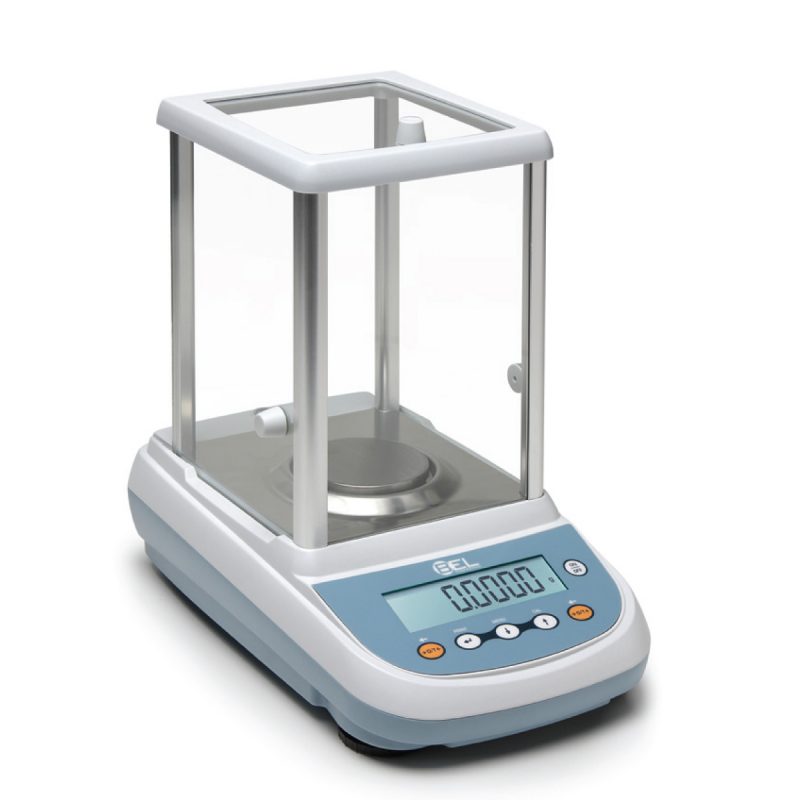
Why inspection matters for analyzer and analytical scales
Analyzer scales and analytical balances are designed for fine measurement work, often in environments where stability, cleanliness, and repeatability matter just as much as the scale itself. Over time, normal use, environmental conditions, vibration, contamination, or handling can influence performance. Regular inspection helps confirm whether the instrument still responds correctly and remains suitable for its intended process.
In many facilities, scale inspection is used to support internal quality assurance, preventive maintenance planning, and readiness for calibration or formal verification activities. It can also help users spot issues such as unstable readings, slow settling time, incorrect display behavior, or signs of mechanical wear before these problems become operational disruptions.
What is typically checked during the service
A practical inspection process focuses on the overall condition and working status of the weighing device rather than treating it as a simple pass-or-fail checklist. This may include assessment of the scale body, weighing pan area, display and control interface, response during operation, and general measurement behavior under normal use conditions.
For analytical and analyzer scales, attention is often given to measurement stability, repeatability, basic functional response, and signs that the unit may need adjustment, cleaning, repair, or a more detailed calibration procedure. The exact scope can vary depending on the instrument type, working environment, and quality requirements of the site.
Suitable for multiple laboratory and industrial weighing brands
This category covers inspection solutions for commonly used weighing equipment from established manufacturers. Depending on your installed base, users may look for service options related to Mettler Toledo, OHAUS, KERN, CAS, YOKE, or Benchmark equipment, especially where laboratory balances are part of routine testing or controlled production workflows.
Representative services in this category include Mettler Toledo Analytical Balance Inspection Service, Ohaus Analytical Balance Inspection Service, Yoke Analytical Balance Inspection Service, Benchmark Analytical Balance Inspection Service, Cas Digital Analytical Balance Inspection Service, and Kern Precision Balance Inspection Service. These examples help illustrate the range of supported balance types without limiting the service context to a single brand or model family.
How to choose the right inspection scope
The right service approach depends first on the weighing resolution and application criticality. A balance used for formulation, sample preparation, or analytical testing will typically require more careful inspection planning than equipment used for less sensitive weighing tasks. Users should consider how the scale is used, how often it operates, and what level of documented performance is expected internally or by customers.
It is also useful to review installation conditions such as bench stability, airflow, dust exposure, temperature changes, and operator practices. In many cases, recurring measurement issues are not caused by the electronics alone but by the surrounding process environment. An effective inspection service helps connect equipment condition with actual operating conditions so that corrective action is more targeted.
Relation to other weighing equipment inspection services
Analyzer scales are only one part of a wider weighing ecosystem. Facilities that manage multiple instrument types may also need support for precision scale inspection when handling higher-capacity bench weighing tasks, or for moisture analyzer inspection where weighing and thermal analysis are combined in one process.
For plants with material handling or logistics operations, separate service categories such as floor scales inspection may be more appropriate for heavier-duty applications. Choosing the correct service type ensures the inspection method aligns with the instrument design and the measurement risk involved.
Common situations that indicate an inspection is needed
Inspection is often scheduled at regular intervals, but there are also clear signs that a balance should be checked sooner. Examples include fluctuating readings, unexpectedly long stabilization time, inconsistent results between repeated measurements, display or keypad issues, or a noticeable difference compared with historical weighing behavior.
Organizations may also request service after relocation, cleaning incidents, extended downtime, or before an internal audit. In regulated or quality-driven environments, proactive inspection supports more consistent documentation and helps teams respond quickly when measurement confidence is questioned.
Supporting reliable weighing performance over time
A well-maintained analytical or analyzer scale contributes to better process control, cleaner documentation, and fewer avoidable measurement disputes. Inspection plays a practical role in that lifecycle by helping users understand the current condition of the instrument and whether follow-up actions such as adjustment, repair, or calibration should be considered.
If your operation relies on sensitive laboratory weighing, this category is intended to help you find an inspection service aligned with that level of precision. Reviewing the available service options by brand and application can make it easier to match your equipment, usage pattern, and quality requirements with the right support path.
-
-
-
-
-
-
-
-
-
-
-
-
-
-
-
-
-
-
-
-
-
-
-
-