

Vibration Tester Inspection Service
Reliable vibration testing depends not only on the capability of the machine, but also on the condition of the system over time. In laboratories, quality departments, and industrial testing environments, periodic inspection helps confirm that a vibration tester is operating consistently, safely, and in line with the intended test method. This is especially important when equipment is used for product validation, transport simulation, durability checks, or routine mechanical stress testing.
Vibration Tester Inspection Service is intended for organizations that need a practical way to assess the working status of vibration testing equipment, reduce the risk of inaccurate results, and maintain confidence in day-to-day testing operations. Whether the equipment is used in incoming quality control, R&D, or production support, a structured inspection process supports more stable performance and better traceability.
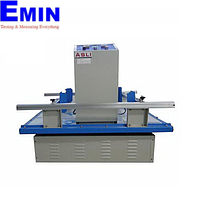
Why periodic inspection matters for vibration testing equipment
A vibration tester is exposed to repeated mechanical loading, motion, and operational wear. Over time, this can affect the behavior of the system, from fixture stability and motion consistency to the overall condition of key mechanical and control-related elements. Even when a machine appears to be running normally, hidden deviations may influence repeatability and test confidence.
Routine inspection helps identify issues before they become larger problems. For B2B users, this is often less about reacting to a breakdown and more about protecting testing schedules, maintaining internal quality procedures, and supporting audit readiness. In environments that rely on multiple types of test equipment, this approach is often aligned with broader service planning that may also include furnace inspection service for thermal test systems.
What this service typically supports
This category focuses on inspection support for vibration testing systems used in mechanical and physical testing applications. The purpose is to evaluate the condition and usability of the equipment in a service context, helping users understand whether the tester remains suitable for continued operation and whether any maintenance, adjustment, or follow-up action should be considered.
Depending on the equipment setup, inspection may relate to overall machine condition, operating behavior, and the integrity of the testing setup. For companies managing a broader test lab, this kind of service is often part of a wider inspection program alongside instruments for wear, barrier, or appearance testing, such as abrasion tester inspection service in material evaluation workflows.
Common application environments
Vibration testing is widely used where products or components must withstand movement, oscillation, or transport-related stress. Typical use cases include packaging validation, component reliability checks, electronics testing, automotive parts evaluation, and other industrial product assessments where mechanical durability is important.
In these settings, the inspection service is relevant for both standalone test systems and equipment integrated into a broader quality or development process. It is particularly useful when a tester is used frequently, when test repeatability is critical, or when internal procedures require documented equipment review at defined intervals.
Representative service options in this category
This category may include service options related to equipment from KMT and JFM, depending on the installed base and service need. Examples include the KMT Vibration Tester Inspection Service and the JFM Vibration Shock Tester Inspection Service. These references help illustrate the type of equipment covered, including systems used for vibration-only evaluation as well as setups that combine vibration and shock testing functions.
When selecting a service, it is useful to match the inspection scope with the actual role of the machine in your facility. A tester used for routine screening may require different service timing and documentation priorities than a machine supporting product qualification, failure analysis, or customer-facing test reports.
How to evaluate the right inspection service
The most suitable service option usually depends on how the vibration tester is used, how critical the generated results are, and how the equipment fits into your internal quality process. Buyers often review factors such as machine type, test frequency, maintenance history, operational issues observed by users, and whether the system is part of an audited testing environment.
It can also be helpful to consider the broader equipment ecosystem rather than evaluating one machine in isolation. For example, if your lab handles packaging or barrier performance testing in parallel, related support services such as water vapor transmission rate test system inspection may be relevant within the same maintenance planning cycle.
Benefits for quality, maintenance, and operational continuity
A well-timed inspection supports more than equipment upkeep. It can help reduce unplanned downtime, improve visibility into the condition of the tester, and support internal decisions about continued use, servicing, or replacement planning. For teams working under production deadlines or project-based testing schedules, this visibility can be valuable in preventing disruption.
From a quality perspective, inspection also strengthens confidence in the testing process itself. When a vibration tester is reviewed on a regular basis, teams are in a better position to manage consistency, investigate unusual results, and maintain a clearer service record for the equipment. This is especially useful in technical B2B environments where traceability and process discipline matter.
Choosing between available manufacturers and service references
If your facility operates equipment from KMT or JFM, the category provides a more focused starting point for identifying relevant service options. The manufacturer reference can be helpful when the machine configuration, service history, or installed equipment base is already standardized around a specific brand.
At the same time, the main priority should remain the actual inspection requirement rather than the brand name alone. The intended testing method, machine condition, and operational criticality usually provide a better basis for service selection than model familiarity by itself. That is why this category is useful not only for brand-based browsing, but also for users who are managing test equipment by function.
Support a more dependable testing workflow
When vibration testing plays a role in product reliability, packaging evaluation, or mechanical verification, keeping the equipment under regular review is a practical step toward more dependable results. A structured inspection approach helps organizations understand the condition of the tester, plan maintenance more effectively, and reduce uncertainty in the test process.
For buyers comparing service options, this category offers a focused path to inspection support for vibration testing equipment while fitting naturally into a larger mechanical and physical testing service program. If your operation depends on stable test performance and clear equipment oversight, this is a sensible place to start.
-
-
-
-
-
-
-
-
-
-
-
-
-
-
-
-
-
-
-
-
-
-
-
-