

Universal Tensile Testing Machine Inspection Service
Reliable material testing depends not only on the capability of the instrument, but also on whether its mechanical movement, force indication, and test conditions remain consistent over time. For laboratories, quality departments, and manufacturers, a professional Universal Tensile Testing Machine Inspection Service helps confirm that tensile testing equipment is operating in a condition suitable for routine evaluation, comparison testing, and ongoing quality control.
This category is intended for users who need inspection support for universal tensile and force testing systems used in mechanical and physical testing environments. It is especially relevant when equipment is used regularly for tensile, compression, peel, or related material strength checks, where stable performance and traceable condition assessment matter.
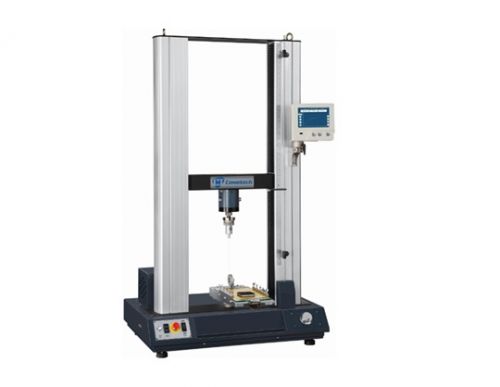
Why inspection matters for tensile testing equipment
A universal tensile testing machine is often part of a wider quality workflow. Even when the system appears to run normally, wear in the drive mechanism, load measurement drift, fixture alignment issues, or software-related setup inconsistencies can affect test repeatability. Inspection helps identify these risks before they lead to unreliable results or interrupted production and testing schedules.
In practice, inspection is useful both as a preventive activity and as a response to concerns such as unstable readings, unusual machine behavior, or deviations between historical and current test data. For organizations working under internal quality procedures, customer audits, or regulated testing processes, periodic review of machine condition can support more confident operation.
What is typically covered in this service category
This category focuses on inspection services for universal tensile and related force testing machines rather than on the sale of new equipment. The purpose is to assess the operational condition of the tester and key elements that influence measurement quality, machine safety, and day-to-day usability.
Depending on the specific machine and application, an inspection may review items such as frame condition, crosshead movement, load response, gripping or fixture behavior, control interface status, and general readiness for testing work. The exact scope can vary by model and by the role the machine plays in the customer’s process, so it is important to match the inspection approach to the equipment type and testing workload.
Supported equipment examples and manufacturer context
This category includes inspection service examples for a range of commonly used systems, including the IMADA Force testing machine Inspection Service, SAUTER motorised vertical test stand inspection service, and tensile testing machine inspection services associated with Yasuda, KMT, JFM, MStech, and TONYHK equipment. These examples help illustrate that inspection needs can extend from dedicated tensile testers to broader force measurement and motorised test stand setups.
Where brand familiarity is important, users may also explore manufacturers such as IMADA or KMT to understand the broader equipment ecosystem behind the service request. In many facilities, inspection planning is influenced by how often a machine is used, the types of materials being tested, and whether fixtures or stands are changed regularly between applications.
When to schedule a universal tensile testing machine inspection
Inspection is commonly considered when a machine is newly installed at a site, after relocation, after a period of heavy use, or whenever test results appear inconsistent. It is also a practical step after maintenance work, component replacement, or fixture changes that may influence loading behavior or alignment.
For users running routine incoming inspection, production quality checks, or material development programs, a scheduled service interval often reduces the chance of unexpected downtime. If your testing workflow includes other specialized instruments, it can also be useful to review related services such as abrasion tester inspection service or furnace inspection service to keep the wider test environment under control.
How to choose the right service for your testing setup
The most suitable inspection service depends on the equipment configuration and the type of test work being performed. Some users operate a classic universal tensile testing machine for material strength evaluation, while others rely on a motorised stand or force testing system for assembly verification, packaging checks, or product durability studies. A clear description of the machine type, test range, fixture style, and current symptoms helps define the right service path.
It is also worth considering whether the requirement is mainly for condition inspection, troubleshooting support, or a broader maintenance and verification plan. For example, a machine that still runs but shows unstable readings may need a different service focus than a machine that has obvious mechanical issues or has been out of use for a long period.
Benefits for quality assurance and production teams
A well-timed inspection supports more than just the machine itself. It can help quality teams reduce uncertainty in test results, support internal documentation, and improve confidence when comparing samples across batches or production periods. In manufacturing environments, this can contribute to earlier detection of material or process variation before issues spread downstream.
For service, maintenance, and engineering teams, inspection can also provide a clearer picture of equipment status before larger problems develop. That is especially useful where tensile testing systems are important to release decisions, supplier evaluation, failure analysis, or product development work.
Common questions about this inspection category
Is this service only for universal tensile testing machines?
The category is centered on universal tensile testing machines, but related force testing systems and motorised test stands may also be relevant where they serve comparable mechanical testing functions.
Can different brands be covered?
Yes, this category includes representative service entries for brands such as IMADA, SAUTER, Yasuda, KMT, JFM, MStech, and TONYHK, based on the service listings available here.
Who typically needs this service?
Typical users include testing laboratories, manufacturers, quality control departments, research teams, and industrial sites that rely on repeatable force or tensile measurement in routine work.
Practical next step
If your testing process depends on repeatable force and material performance data, choosing the right inspection service is a practical way to keep equipment condition visible and testing risk under control. This category brings together inspection options for universal tensile testing systems and related setups, making it easier to identify a service aligned with your equipment brand, application, and maintenance priorities.
-
-
-
-
-
-
-
-
-
-
-
-
-
-
-
-
-
-
-
-
-
-
-
-