

Testing of thermal endurance testers
When thermal performance must be verified with confidence, the condition of the test equipment itself becomes just as important as the material or product being evaluated. For laboratories, packaging quality teams, and industrial inspection environments, a reliable testing of thermal endurance testers service helps confirm that instruments are operating consistently and that day-to-day results remain credible.
This category focuses on inspection services for thermal endurance and heat-related test equipment used in mechanical and physical testing workflows. Whether the goal is routine condition assessment, troubleshooting, or maintaining confidence in production and quality control processes, proper inspection supports more stable measurements, safer operation, and better decision-making.
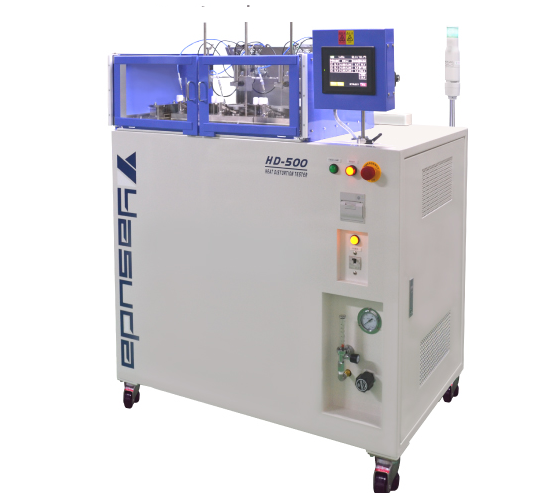
Why inspection matters for thermal endurance test equipment
Thermal endurance testing often depends on controlled heat exposure, repeatable operating conditions, and stable instrument behavior over time. If a tester drifts, heats unevenly, or shows mechanical wear, the resulting data may no longer reflect the actual performance of the sample under test. That is why inspection is an essential part of equipment management rather than a secondary maintenance task.
A structured inspection service helps identify issues before they affect testing quality. This may include checking overall operating condition, functional response, visible wear, and performance consistency. In environments where multiple physical property tests are performed together, users may also review related services such as furnace inspection service when heat treatment or temperature-controlled systems are part of the same workflow.
Typical applications and users
Thermal endurance and heat seal related testers are commonly used in packaging, plastics, film, materials evaluation, and quality assurance settings. These instruments support checks where thermal resistance, seal behavior, or heat-related physical performance must be understood under practical test conditions. In these applications, inspection service plays a direct role in supporting traceable and repeatable internal quality procedures.
Users may include in-house laboratories, production plants, inspection teams, and technical service departments responsible for preventive maintenance planning. The need is especially clear when equipment is used frequently, moved between work areas, or relied upon for acceptance testing. Periodic review can reduce uncertainty and help teams decide whether an instrument remains suitable for continued use.
Examples of equipment covered in this category
This category can include portable and application-specific instruments used to evaluate heat seal or thermal endurance behavior. Representative examples include the KMT Portable Heat Seal Strength Tester Inspection Service, Yasuda Portable Heat Seal Strength Tester Inspection Service, and MStech Portable Heat Seal Strength Tester Inspection Service. These examples illustrate the type of equipment supported within this service area rather than defining the full scope by model alone.
Because portable testers are often used in active production or inspection environments, they can be exposed to handling stress, transport-related impacts, and changes in operating conditions. Inspection helps verify whether the device still performs as expected and whether any signs of instability, wear, or functional deviation should be addressed before testing continues.
What an inspection service typically helps assess
For thermal endurance testers, inspection generally focuses on the overall health of the instrument and on whether it can still support reliable testing. This may include review of the device condition, operational response, repeatability-related behavior, and the integrity of key testing functions. The exact scope depends on the equipment design and service procedure, but the core objective is the same: to confirm practical usability and identify potential problems early.
In many laboratories, this process complements broader quality activities across physical testing equipment. For example, facilities working with barrier-property instruments may also coordinate checks for an oxygen permeation system inspection service or a water vapor transmission rate test system inspection service to maintain consistency across multiple testing stations.
How to choose the right service for your equipment
When selecting a service in this category, it is useful to start with the actual equipment in use, the testing frequency, and the role the instrument plays in product release or process control. A portable tester used daily in production may require different inspection timing and service attention than a lab unit used less often for development work. Looking at usage history, environmental conditions, and any recent testing anomalies can help define service priorities.
Manufacturer context can also be relevant. This category includes support examples associated with Yasuda, KMT, and MStech equipment, giving users a practical reference point when matching service needs to the instrument they operate. Instead of focusing only on brand, it is more effective to consider the test function, operating condition, and the reliability expectations of the process the instrument supports.
Benefits of regular inspection in quality and production workflows
The most immediate benefit of routine inspection is improved confidence in test results. When equipment is checked regularly, teams are better positioned to detect drift, abnormal behavior, or early signs of wear before these issues affect product evaluation. This supports stronger internal quality control and can reduce the risk of unnecessary retesting or disputed results.
There are also practical operational benefits. Planned inspection can help reduce unplanned downtime, improve scheduling for maintenance or replacement, and support more efficient asset management. In B2B environments where test equipment influences product approval, supplier evaluation, or process verification, maintaining dependable instruments is part of maintaining dependable operations.
Supporting long-term equipment reliability
Thermal endurance and heat seal test devices are often part of a larger testing ecosystem, not standalone tools used in isolation. Their performance can affect comparisons between batches, validation of packaging processes, and long-term material studies. A consistent inspection program helps preserve that continuity by giving users a clearer picture of equipment condition over time.
If your team relies on thermal or heat-related physical testing, this category provides a practical route to evaluate instrument condition and maintain confidence in ongoing use. Choosing an appropriate inspection service for thermal endurance testers can help protect data quality, support routine operations, and keep critical testing equipment ready for real-world industrial demands.
-
-
-
-
-
-
-
-
-
-
-
-
-
-
-
-
-
-
-
-
-
-
-
-