

Titration Equipment Inspection Service
Accurate chemical analysis depends not only on the titration method itself, but also on the condition of the instrument used to perform it. In laboratories where titrators support quality control, research, water testing, or routine analytical work, periodic inspection helps confirm that the system is operating as expected and that mechanical, electrical, and functional issues are detected early.
Titration Equipment Inspection Service is intended for laboratories that need a practical way to assess instrument condition, maintain measurement confidence, and support more stable day-to-day operation. This category is especially relevant for organizations using automated or semi-automated titration systems as part of regulated or process-critical workflows.
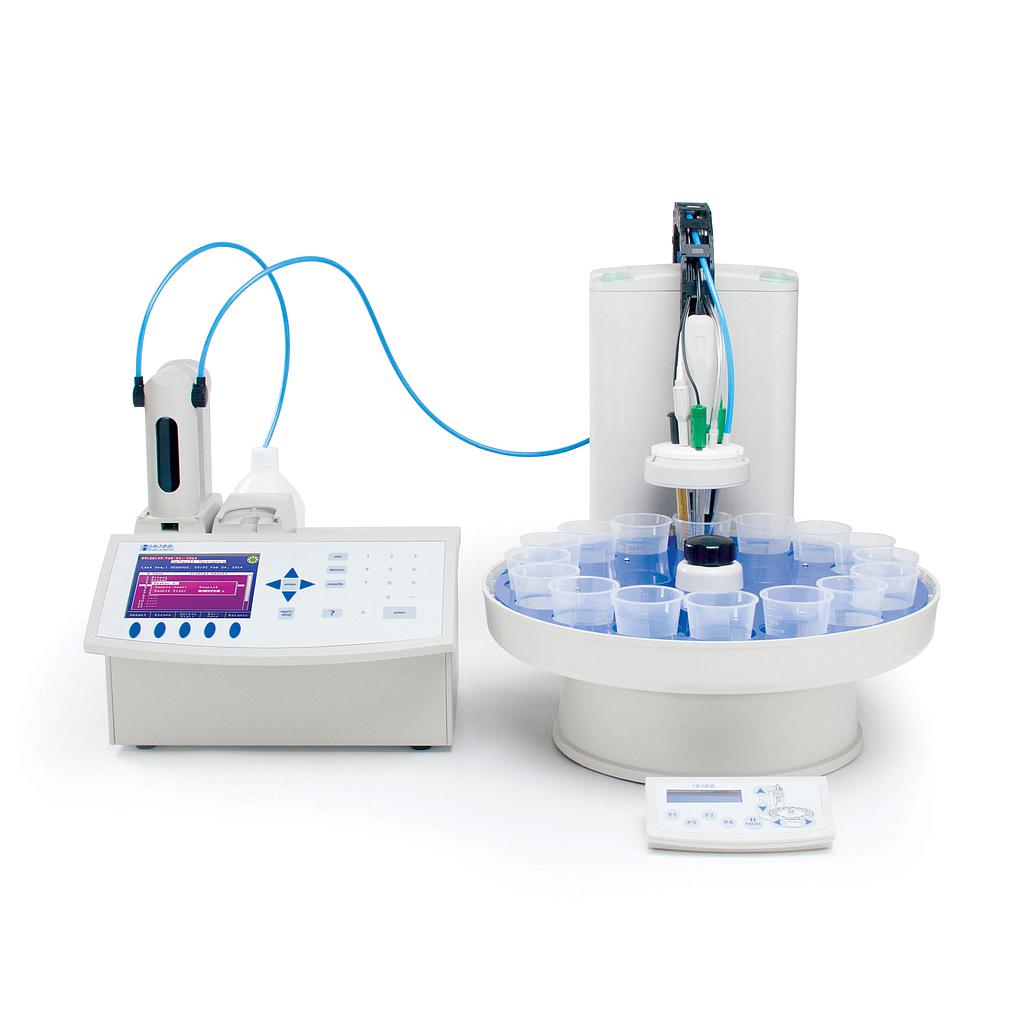
Why inspection matters for titration systems
Titration equipment combines fluid handling, sensing, control functions, and software or interface elements into a single analytical workflow. Even when an instrument appears to be running normally, issues such as unstable dosing, worn tubing, sensor response drift, or mechanical irregularities can affect repeatability and operator confidence.
A structured inspection service helps identify these risks before they become larger operational problems. For laboratories that rely on titration for routine release testing or process monitoring, inspection can support maintenance planning, reduce unexpected downtime, and provide a clearer picture of equipment status across the lab.
Typical scope of a titration equipment inspection
The exact service scope can vary by instrument and manufacturer, but inspection generally focuses on the overall working condition of the system. This may include checks related to dispensing mechanisms, key functional components, basic operation, visible wear, and the general integrity of the measuring setup.
For titration platforms, common areas of attention often include the burette or dosing assembly, tubing paths, electrode connections, response behavior during operation, and user interface functionality. The goal is not simply to verify that the instrument powers on, but to review whether the system is suitable for reliable laboratory use under normal operating conditions.
Suitable environments and use cases
This service is relevant for a broad range of analytical settings, including industrial laboratories, environmental testing, food and beverage quality control, educational labs, and research facilities. Wherever titration is used to determine concentration, alkalinity, acidity, chloride content, moisture-related parameters, or other chemical endpoints, equipment condition has a direct impact on workflow stability.
Inspection is also useful after long periods of continuous use, before restarting equipment that has been idle, or when laboratories are preparing for internal quality reviews. In facilities that manage multiple types of analytical instruments, titration inspection may be scheduled alongside related laboratory support activities such as centrifuge inspection service to improve maintenance coordination.
Representative service options in this category
This category includes inspection support for selected equipment from established laboratory brands. Examples include the HANNA Titration Equipment Inspection Service, SI ANALYTICS Titration Equipment Inspection Service, and YSI Titration Equipment Inspection Service. These options help laboratories find services aligned with instruments already in use, without forcing a one-size-fits-all approach.
In addition to classic titration-related systems, some laboratories may also work with liquid handling or dosing equipment that supports adjacent analytical processes. For that reason, services such as the Malcom Syringe Dispensing System Inspection Service can also be relevant in broader lab maintenance planning where dispensing accuracy and system condition are important.
How to choose the right inspection service
Selection usually starts with the installed equipment base. Laboratories should consider the instrument manufacturer, the role of the device in the process, frequency of use, and whether the equipment is tied to critical product or environmental data. These factors help determine inspection priority and service intervals.
It is also useful to distinguish between inspection, calibration, and repair. Inspection is typically focused on condition assessment and operational review, while calibration addresses measurement traceability and repair addresses faults that require parts replacement or corrective work. Understanding this difference helps procurement and technical teams choose the right service path for each instrument.
Supporting a broader laboratory equipment maintenance strategy
Titration instruments rarely operate in isolation. They are often part of a larger analytical environment that includes sample preparation, storage, sterilization, and contamination control equipment. A more systematic inspection plan can therefore improve consistency across the lab rather than treating each device as a separate issue.
For example, laboratories may combine titration-related checks with services for biosafety cabinet inspection or autoclave sterilizer inspection when managing laboratory compliance, uptime, and operational safety as a whole. This approach is especially practical for central labs and multi-equipment facilities.
Brands commonly referenced in this category
Several recognized manufacturers appear in this category, including YSI, HANNA, SI ANALYTICS, and Malcom. Each brand may serve different laboratory applications or instrument styles, so inspection needs can vary depending on the design of the system and how it is used in practice.
When evaluating service options, it is helpful to match the inspection request to the actual equipment population in your facility. This keeps the process focused and helps ensure that the service is relevant to the laboratory's analytical workflow rather than being treated as a generic maintenance task.
When to schedule an inspection
Many laboratories arrange inspection on a periodic basis, but timing can also be driven by specific events. Common triggers include inconsistent titration results, visible wear in fluid handling components, startup after storage, preventive maintenance cycles, or preparation for audits and internal reviews.
If your lab depends on titration data for routine decisions, regular inspection can be a practical way to maintain equipment readiness and reduce avoidable interruptions. Choosing an appropriate service from this category helps create a more predictable maintenance routine for essential analytical instruments.
For laboratories that need better visibility into instrument condition, this category provides a focused path for reviewing the performance and usability of titration systems in real operating environments. A well-planned inspection service supports reliability, helps prioritize maintenance actions, and fits naturally into a broader laboratory equipment management program.
-
-
-
-
-
-
-
-
-
-
-
-
-
-
-
-
-
-
-
-
-
-
-
-