

COD - BOD Machine Inspection Service
Reliable water and wastewater analysis depends on instruments that stay accurate, stable, and safe to operate over time. In laboratories, treatment plants, environmental monitoring programs, and industrial quality control, regular inspection helps reduce measurement drift, identify wear early, and support consistent testing conditions. That is why a dedicated COD - BOD Machine Inspection Service is an important part of preventive maintenance for analytical equipment used in oxygen demand testing.
Whether the system is used for routine compliance work or internal process monitoring, inspection should focus on both measurement performance and the physical condition of the equipment. A structured service approach helps users evaluate key functional points, review operating status, and decide when maintenance, adjustment, or follow-up calibration may be needed.
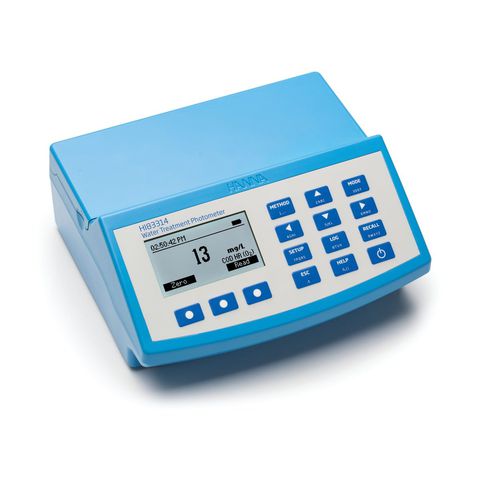
Why inspection matters for COD and BOD equipment
COD and BOD analysis is closely tied to process control, environmental reporting, and laboratory quality systems. When an instrument begins to show unstable operation, slow response, abnormal temperature behavior, or mechanical wear, the risk is not limited to one failed test. It can also affect repeatability, sample throughput, and confidence in reported results.
A proper inspection service helps detect these issues before they become larger operational problems. In practice, inspection may support routine condition checks, verification of general functionality, and review of critical components that influence testing reliability. For laboratories managing several instruments, scheduled inspection can also improve planning for maintenance windows and replacement cycles.
What is typically reviewed during the service
Although the exact checklist depends on the equipment design and current condition, inspection generally looks at the overall state of the machine rather than only one isolated parameter. This includes visible condition, operating readiness, response of key functions, and signs of abnormal use or aging that could affect measurement work.
For COD and BOD systems, the review may involve items such as the integrity of the housing and chambers, operational indicators, temperature-related behavior where relevant, control interface condition, connection points, and basic functional performance. The goal is to provide a practical picture of whether the equipment is fit for routine laboratory use and what actions should be prioritized next.
Suitable for laboratories, treatment facilities, and industrial users
This category is relevant for organizations that rely on oxygen demand testing as part of daily operations. Environmental laboratories, wastewater treatment facilities, food and beverage plants, chemical manufacturers, educational labs, and in-house quality control teams may all need periodic inspection to keep testing equipment in acceptable working condition.
In many sites, COD and BOD instruments operate alongside other controlled laboratory systems. If your workflow also includes sterilization, containment, or sample preparation equipment, related services such as autoclave sterilizer inspection or biosafety cabinet inspection may be useful as part of a broader laboratory equipment management plan.
Benchmark service reference in this category
One representative option in this category is the Benchmark COD - BOD Inspection Service, which can be used as a reference point for users looking for support around routine condition assessment of this type of equipment. Where a facility already uses Benchmark instruments or related laboratory products, it may also be practical to review the broader Benchmark product range for compatibility and service planning context.
The main value of a category like this is not just the service name itself, but the role it plays in keeping analytical systems dependable over time. Inspection helps users understand current equipment condition, document findings, and determine whether follow-up work such as cleaning, repair, adjustment, or more formal verification should be arranged.
How to choose the right inspection scope
Not every laboratory needs the same level of service. For some users, a routine periodic inspection is enough to confirm that the machine remains in normal operating condition. For others, especially where instruments are used heavily or where test records support compliance activities, a more detailed review may be appropriate.
When choosing a service, it is useful to consider equipment age, frequency of use, operating environment, history of faults, and how critical the results are to your process. If the lab also handles temperature-sensitive storage or sample preparation steps, related services such as deep freezer inspection can help build a more complete preventive maintenance program across the facility.
Inspection as part of a broader laboratory maintenance strategy
Inspection works best when it is not treated as a one-time response to failure. In a well-managed laboratory, it becomes part of a broader strategy that includes routine cleaning, operator care, service records, periodic review, and timely escalation when abnormal performance is observed. This approach helps reduce downtime and supports more predictable equipment ownership costs.
For COD and BOD machines, this is especially relevant because testing workflows often depend on stable conditions and repeatable operation over extended periods. Small issues that seem minor at first can eventually lead to inconsistent results, delays in reporting, or additional troubleshooting work for laboratory staff.
When to schedule a COD - BOD machine inspection
Inspection is commonly scheduled at regular intervals, but there are also practical situations where an additional check is advisable. Examples include equipment that has been moved, machines returning to service after a long idle period, repeated operator complaints, unusual noise or behavior, or unexplained variation in testing outcomes.
If a system shows signs of instability, physical wear, or changing operating behavior, an inspection can provide a clearer basis for next steps. Rather than waiting for a complete failure, early review helps users protect workflow continuity and maintain confidence in laboratory operations.
Support more consistent analytical performance
Choosing the right COD - BOD Machine Inspection Service helps laboratories and industrial users keep critical testing equipment under closer control. By reviewing condition, functionality, and service needs at the right time, organizations can reduce avoidable downtime and make better decisions about maintenance and ongoing operation.
For teams managing environmental or laboratory testing processes, regular inspection is a practical way to support equipment reliability, improve planning, and maintain confidence in day-to-day analytical work.
-
-
-
-
-
-
-
-
-
-
-
-
-
-
-
-
-
-
-
-
-
-
-
-