

Industrial Machinery Inspection Service
In production environments, unexpected machine issues can quickly affect safety, throughput, and product quality. A structured Industrial Machinery Inspection Service helps identify wear, operating deviations, and condition risks before they turn into costly downtime or compliance problems. For manufacturers, maintenance teams, and plant operators, inspection is not only a troubleshooting activity but also a practical way to support stable operation across critical assets.
Inspection requirements can vary widely depending on the type of machinery, operating load, installation conditions, and the role of the equipment within the process. That is why this service category is relevant for facilities that need a clearer view of machine condition, inspection status, and service planning across industrial equipment.
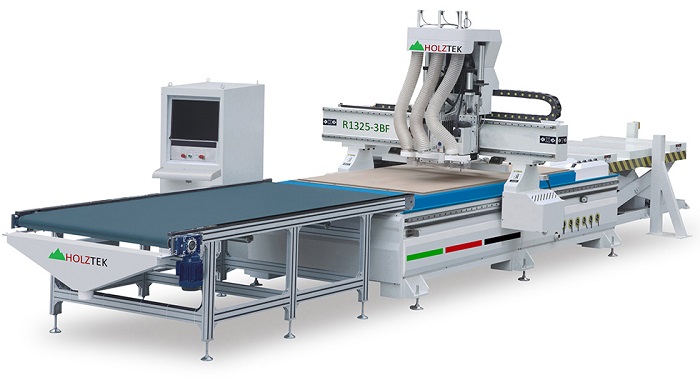
Why industrial machinery inspection matters
Industrial machinery is often exposed to continuous operation, vibration, thermal stress, dust, load fluctuation, and gradual mechanical fatigue. Over time, these factors can affect alignment, motion accuracy, structural stability, or overall operating consistency. A periodic inspection process helps detect issues early and supports better maintenance decisions based on actual equipment condition.
For many facilities, inspection also plays a role in risk reduction. Machines that appear to be running normally may still show early signs of deterioration in key areas such as movement, response, fastening condition, or general mechanical integrity. By evaluating machinery at planned intervals, companies can reduce the chance of unplanned stoppages and improve confidence in day-to-day operation.
What this service category typically covers
This category is intended for the inspection of industrial machinery used in manufacturing, processing, assembly, or other plant operations. The exact scope depends on the machine type and inspection objective, but the service generally focuses on the condition and functionality of equipment that must operate reliably within a production system.
In practice, an inspection may involve reviewing visible condition, checking operating behavior, confirming whether important mechanical elements perform within expected limits, and identifying abnormalities that require follow-up action. Rather than replacing a full overhaul or repair process, inspection provides a condition-based assessment that helps users understand what needs attention and what can continue in service with confidence.
Common inspection priorities in industrial environments
Inspection priorities usually depend on how the machine is used and how critical it is to the line. Equipment with continuous duty cycles, repetitive motion, or high mechanical loading often benefits from closer attention because small deviations can accumulate and affect performance over time. In these cases, inspection supports both maintenance planning and operational continuity.
Typical focus areas may include signs of wear, looseness, vibration-related effects, operational irregularities, or visible deterioration that could influence performance or safety. Facilities often use inspection results to decide whether to continue operation, schedule maintenance, or investigate related systems that may also be contributing to the issue.
How machinery inspection supports maintenance strategy
A well-timed inspection can strengthen preventive and predictive maintenance programs by adding objective information about machine condition. Instead of relying only on fixed service intervals, teams can use inspection findings to prioritize work on assets that show the highest risk or the clearest signs of change. This approach can improve resource allocation and reduce unnecessary maintenance activity on stable equipment.
Inspection also helps create a more complete picture of plant reliability. In many facilities, machinery performance is linked to electrical measurement, specialty instrumentation, and safety monitoring. When broader verification is needed, related services such as electrical and electronic meter inspection can support a more comprehensive maintenance workflow.
Choosing the right inspection service for your equipment
Not every machine requires the same inspection depth or frequency. Selection should take into account the machine’s operating role, failure impact, usage intensity, and the type of risk the facility is trying to manage. Critical assets in production bottlenecks or safety-sensitive applications often justify a more structured inspection schedule than support equipment used intermittently.
It is also useful to consider the surrounding measurement and monitoring ecosystem. For example, plants that depend on process monitoring or environment-related measurement may also need services beyond core machine inspection. In those cases, categories such as specialty meters inspection or gas detector and meter inspection may be relevant alongside machinery-related checks.
When to schedule an industrial machinery inspection
Many companies schedule inspections at regular intervals, but timing is often most effective when aligned with actual operating conditions. Inspection may be especially useful after long operating periods, before major production runs, after relocation or reinstallation, or when operators notice unusual noise, movement, response, or process inconsistency. These situations can indicate that the machine should be assessed before the condition worsens.
Inspection is also valuable when troubleshooting recurring production issues that may not initially appear to be mechanical. In some cases, machinery condition interacts with dimensional control or system accuracy, which is why related services like mechanical measuring instruments inspection can help support a more complete evaluation of the production environment.
Benefits for manufacturers and plant operators
For B2B users, the main value of an industrial machinery inspection service is practical: better visibility into equipment condition, improved maintenance planning, and stronger support for stable production. This is particularly important in facilities where machine reliability affects delivery performance, quality control, or operator safety.
Another important benefit is documentation and decision support. Inspection findings can help maintenance and engineering teams communicate more clearly about equipment status, justify service actions, and prioritize investment in repair, replacement, or process improvement. Over time, this contributes to a more disciplined and data-informed asset management approach.
Supporting long-term equipment reliability
Industrial equipment rarely fails without warning signs. Regular inspection creates opportunities to detect those signs early, understand their likely impact, and respond before they disrupt production. Whether the goal is to maintain uptime, improve safety, or strengthen maintenance planning, this category supports a more controlled and informed approach to managing machinery in demanding operating environments.
If your facility depends on stable machine performance, choosing the right inspection service can help you evaluate condition more effectively and coordinate maintenance with greater confidence. As part of a broader equipment inspection strategy, industrial machinery inspection remains a practical tool for protecting both operational continuity and long-term equipment value.
-
-
-
-
-
-
-
-
-
-
-
-
-
-
-
-
-
-
-
-
-
-
-
-