

Water Activity Meter Inspection Service
Reliable water activity readings are essential in food production, pharmaceutical handling, packaging validation, and material storage. When a meter drifts or responds inconsistently, the result is not just a measurement problem; it can affect product quality decisions, shelf-life evaluation, and process control. A professional Water Activity Meter Inspection Service helps confirm that the instrument is operating correctly and remains suitable for routine use.
This category focuses on inspection support for water activity instruments used in controlled environments and quality assurance workflows. It is especially relevant for teams that rely on stable, repeatable measurements and need a practical way to verify instrument condition before calibration planning, maintenance decisions, or continued operation.
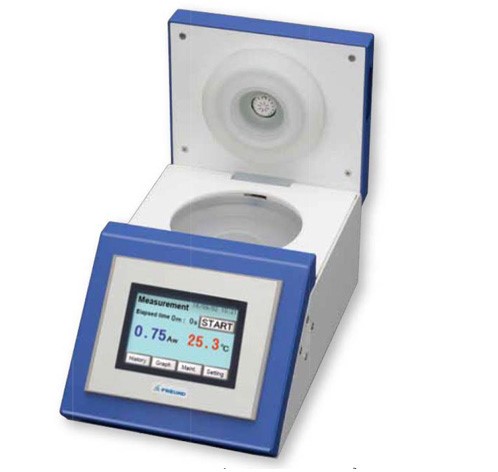
Why water activity meter inspection matters
A water activity meter is often used where moisture-related behavior must be assessed with precision. In many operations, the instrument supports decisions about microbial risk, product stability, raw material acceptance, and storage conditions. If the meter is not performing as expected, those decisions may become less reliable.
An inspection service is useful for identifying signs of wear, response issues, handling damage, or functional deviations before they create larger problems. It also supports better asset management by helping maintenance and quality teams understand whether a device is ready for continued use, needs adjustment, or should be scheduled for additional service.
What is typically reviewed during inspection
While the exact procedure depends on the instrument and service scope, inspection generally focuses on the overall condition and functional status of the meter. This may include checks related to basic operation, display behavior, sensor response, physical integrity, connectors, housing condition, and signs of contamination or environmental exposure that could influence performance.
For users working with humidity-sensitive measurement processes, inspection is not only about finding obvious faults. It also helps detect early-stage issues such as unstable readings, slow response, or handling-related damage that may not be immediately visible during daily use.
Rotronic instruments in this service category
This category includes support related to the Rotronic ecosystem, a well-known name in humidity and water activity measurement. Where relevant, this can include service references such as the Rotronic Water Activity Meter Inspection Service, which represents the type of inspection offering suited to users who operate this brand in laboratory, production, or QA environments.
When selecting service coverage for a specific instrument, it is important to match the inspection request with the actual meter in use and the operating context. This is especially helpful for sites that maintain multiple environmental instruments and want a consistent service approach across their measurement assets.
Typical applications that benefit from inspection
Water activity meters are commonly used in processes where product moisture behavior affects quality or compliance. Inspection is often valuable in food and ingredient handling, nutraceutical production, pharmaceutical environments, packaging evaluation, warehouse monitoring, and research applications where dependable readings support release or investigation workflows.
In these settings, instrument condition verification can reduce uncertainty before internal audits, product testing cycles, or troubleshooting tasks. It also provides a practical checkpoint for teams that notice unusual measurement patterns and want to confirm whether the issue is process-related or instrument-related.
How inspection supports maintenance and quality systems
Inspection fits naturally into a broader quality management strategy. It can be used as part of preventive maintenance planning, incoming equipment evaluation, periodic performance review, or service triage when an instrument shows abnormal behavior. Rather than waiting for complete failure, many organizations use inspection to identify problems early and maintain smoother measurement continuity.
For facilities managing several types of environmental instruments, it may also be useful to review related service categories such as dew point meter inspection or light meter inspection. This helps standardize service planning across different measurement points without treating every instrument the same way.
How to choose the right service scope
When arranging a service for a water activity meter, it helps to define the current issue and intended outcome clearly. Some users need a general condition check for a device that has been in storage, while others need an inspection because readings appear unstable, response time has changed, or the instrument has been exposed to harsh handling conditions.
Useful selection criteria include the meter brand, operating environment, frequency of use, criticality of the measurement, and whether the inspection is being requested as a standalone service or as part of a wider maintenance workflow. A clear service scope makes it easier to decide the next step after inspection, whether that is continued use, further testing, or additional technical service.
When to schedule a water activity meter inspection
Inspection is often appropriate when a device has experienced transport shock, long storage, visible physical wear, contamination risk, or unexplained reading variation. It can also be a sensible step before high-priority testing periods, product validation work, or quality reviews where dependable measurement performance is especially important.
In routine operations, scheduling periodic inspection can help maintain confidence in the meter between more comprehensive service intervals. This is particularly relevant where measurement reliability has a direct effect on product decisions, documentation quality, or process consistency.
Practical support for dependable measurement workflows
A well-planned inspection process gives users more than a simple pass-or-fail checkpoint. It helps clarify instrument condition, supports maintenance decisions, and reduces uncertainty around the role of the meter in daily operations. For teams using water activity data in quality-critical environments, that added visibility is often as important as the measurement itself.
If your operation depends on stable and trustworthy water activity readings, this category provides a focused starting point for evaluating service options that align with your instrument type and usage conditions. Choosing the right inspection support can make it easier to maintain consistent performance and manage environmental measurement equipment more effectively over time.
-
-
-
-
-
-
-
-
-
-
-
-
-
-
-
-
-
-
-
-
-
-
-
-