

Multifunction environmental meter Inspection Service
When one handheld instrument is used to check several environmental parameters, confidence in every reading becomes especially important. A multifunction environmental meter inspection service helps verify whether the device is still performing within expected conditions, so maintenance teams, laboratories, facility managers, and quality personnel can rely on the results they use for daily decisions.
These instruments are often chosen because they simplify field work, reduce the number of devices technicians need to carry, and support faster spot checks across different environments. That convenience also means one instrument may be exposed to frequent transport, varied operating conditions, and regular handling, all of which can affect measurement reliability over time.
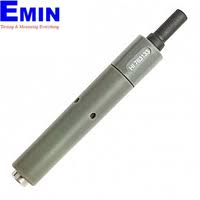
Why inspection matters for multifunction environmental meters
A multifunction meter may be used to monitor conditions such as ambient environment, workplace comfort, storage areas, production spaces, or general site conditions, depending on the instrument configuration. Because it combines multiple measurement functions in one unit, any drift, sensor issue, display inconsistency, or response problem can affect more than one point of control in the workflow.
Regular inspection supports measurement reliability, helps detect early performance deviations, and provides a clearer basis for maintenance or calibration planning. In practical terms, this is important for companies that use environmental data to support quality control, process stability, safety checks, or compliance-oriented documentation.
Typical situations where this service is useful
This category is relevant for organizations that depend on portable or bench-style environmental meters during routine verification tasks. Common examples include factory maintenance teams, clean utility or HVAC support staff, environmental monitoring programs, warehouse operations, technical service departments, and laboratories that need dependable field measurements.
Inspection is also useful after heavy field use, accidental impact, long storage periods, irregular readings, or before an internal audit cycle. If your operation also relies on specialized instruments for related checks, it may be helpful to review services such as dew point meter inspection or light meter inspection service where those parameters are handled with dedicated devices.
What an inspection service generally focuses on
For this type of instrument, the inspection process is intended to assess whether the meter is functioning normally and whether its key measurement channels respond as expected. The exact scope can vary by device design, but the service typically centers on the condition of the instrument, basic operational checks, measurement response, and the overall usability of the unit in real working conditions.
Because multifunction models can differ significantly by brand and intended application, inspection is best understood as a structured technical review rather than a one-size-fits-all procedure. This matters when comparing instruments from manufacturers such as TESTO, HACH, HORIBA, YSI, EXTECH, HANNA, or KANOMAX, each of which may serve different measurement environments and user workflows.
Representative brands and service coverage
This category includes inspection service options for a range of well-known manufacturers used in environmental and field measurement applications. Examples listed in this category include DEFELSKO Multi-function Environment Meter Inspection Service, Eutech Multi-function Environment Meter Inspection Service, HANNA Multi-function Environment Meter Inspection Service, MILWAUKEE Multi-function Environment Meter Inspection Service, KANOMAX Multi-function Environment Meter Inspection Service, EXTECH Multi-function Environment Meter Inspection Service, YSI Multi-function Environment Meter Inspection Service, TESTO Multi-function Environment Meter Inspection Service, HACH Multi-function Environment Meter Inspection Service, and HORIBA Multi-function Environment Meter Inspection Service.
Rather than selecting only by brand name, buyers should consider how the instrument is used in practice: frequency of use, operating environment, criticality of the measured values, and whether the meter supports routine operational checks or more quality-sensitive tasks. That approach helps align the inspection service with the actual risk and importance of the instrument in your process.
How to choose the right inspection service for your instrument
The most practical starting point is to confirm the exact manufacturer and the type of multifunction environmental meter you are using. Even when instruments appear similar, differences in sensing method, integrated functions, interface design, and application focus can affect how the device should be checked and evaluated.
It is also helpful to prepare basic service information in advance, such as the instrument condition, any observed issues, frequency of use, and the work area where the meter is deployed. If your monitoring program includes other environmental instruments alongside a multifunction unit, related categories such as sound level meter inspection service or water activity meter inspection may also be relevant for broader instrument management.
Benefits for maintenance, quality, and operations teams
A well-timed inspection can do more than confirm basic instrument status. It can help teams reduce uncertainty in field measurements, improve the consistency of recorded data, and identify when an instrument may need further maintenance, adjustment, or replacement planning. For operations that depend on repeatable environmental readings, that visibility supports better decision-making.
From a management perspective, inspection also contributes to a more organized asset strategy. Instruments that are checked at appropriate intervals are generally easier to track, easier to evaluate, and less likely to create avoidable disruptions during production, site monitoring, or technical service work.
When to arrange inspection more proactively
Many companies schedule inspection based on internal quality procedures or equipment maintenance cycles, but there are also practical warning signs that should not be ignored. If a multifunction meter shows unstable readings, slow response, unusual display behavior, physical wear, or inconsistent results compared with other reference points, an inspection should be considered sooner rather than later.
This is especially relevant when the instrument is used in environments where data influences product handling, environmental conditions, facility performance, or acceptance decisions. In these cases, preventive inspection planning is often more efficient than waiting until the instrument becomes unreliable in the field.
Supporting dependable environmental measurement
Choosing a suitable inspection service for a multifunction environmental meter is a practical step toward maintaining dependable environmental data across day-to-day operations. Whether you use instruments from TESTO, HACH, HORIBA, YSI, EXTECH, HANNA, KANOMAX, DEFELSKO, Eutech, or MILWAUKEE, the key is to match the service to the actual role of the device in your workflow.
By reviewing instrument condition, usage pattern, and measurement importance, buyers can make more informed service decisions and keep their monitoring activities on a stronger technical foundation. If your organization manages several types of environmental instruments, building a consistent inspection plan across categories can help improve both efficiency and confidence in the data you rely on.
-
-
-
-
-
-
-
-
-
-
-
-
-
-
-
-
-
-
-
-
-
-
-
-