

Insulating oil testing equipment Inspection Service
Reliable test results are essential when insulating oil is used to support the safety and long-term performance of transformers, switchgear, and other high-voltage assets. Even when the testing instrument itself is designed for demanding field or laboratory use, measurement drift, handling stress, and aging components can gradually affect accuracy. That is why a professional Insulating oil testing equipment Inspection Service plays an important role in maintaining confidence in maintenance decisions and compliance workflows.
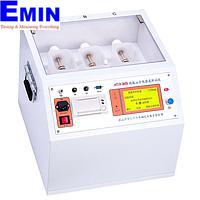
Why inspection matters for insulating oil test equipment
Insulating oil condition testing is often part of a wider asset management process for electrical systems. The quality of the instrument used to evaluate oil-related parameters directly affects how maintenance teams interpret equipment condition, plan service intervals, and identify possible risks before failure occurs.
Over time, test equipment can be influenced by transport, ambient conditions, contamination, sensor drift, or normal wear. A scheduled inspection service helps verify that the instrument is operating as intended, supports stable measurement performance, and reduces the likelihood of decisions being made from unreliable data.
Typical situations where this service is useful
This service is commonly relevant for companies that manage substations, industrial power systems, transformer maintenance programs, repair workshops, and technical laboratories. It is especially useful when insulating oil testing equipment is used regularly for preventive maintenance, acceptance testing, or condition-based monitoring.
Inspection is also worth considering after heavy field use, before internal audits, when measurement results appear inconsistent, or when a device is returning to service after long storage. In these cases, checking instrument condition is a practical way to improve traceability and reduce uncertainty in day-to-day testing work.
What an insulating oil testing equipment inspection service supports
For this type of equipment, the goal is not simply to confirm that the unit powers on. A meaningful service process focuses on the broader measurement reliability of the instrument, including whether it performs consistently and whether its operating condition remains suitable for technical use.
Depending on the instrument type and service scope, inspection may help identify issues related to functional response, stability, connection condition, display behavior, control operation, and general readiness for use. This is particularly important in environments where test data supports maintenance records, technical reporting, or asset health evaluation.
Benefits for maintenance teams and asset owners
Using inspected equipment can make maintenance planning more dependable. When insulating oil test instruments are checked at appropriate intervals, teams can compare results with greater confidence and reduce the risk of unnecessary intervention or missed warning signs in critical electrical assets.
There is also a practical workflow benefit. Regular inspection helps standardize instrument management across sites, supports internal quality procedures, and makes it easier to document that equipment used in testing programs is being controlled properly. For organizations that use multiple electrical test tools, this service fits naturally into a broader equipment care strategy.
How to decide when inspection should be scheduled
The right interval depends on how often the instrument is used, where it is used, and how critical the resulting data is to operations. Equipment exposed to frequent transport, variable temperature, demanding field conditions, or high utilization may need closer attention than instruments used occasionally in a controlled environment.
It is also sensible to review service timing when results no longer align with expected trends, after impact or suspected mishandling, or before important maintenance campaigns. If your workflow also includes related electrical testing instruments, you may want to coordinate service planning with other categories such as withstand voltage test inspection service or low resistance meter inspection service to keep documentation and downtime under control.
Part of a wider electrical testing service ecosystem
Insulating oil analysis is only one part of electrical asset evaluation. Many maintenance programs also rely on dielectric testing, continuity checks, breaker verification, and insulation-related assessments to build a fuller picture of equipment condition. Coordinating these services can improve consistency across both field testing and workshop procedures.
Where broader testing programs are in place, it may be useful to align this category with services such as breaker testing equipment inspection service or insulating materials tester inspection service. This approach helps organizations manage instruments more systematically instead of treating each device as a separate administrative task.
Choosing the right service approach
When selecting an inspection service for insulating oil testing equipment, it helps to look beyond turnaround time alone. The more important question is whether the service supports your operational needs: dependable instrument condition checks, clear service records, and a process that fits how your team uses the equipment in practice.
For B2B users, the most useful service setup is usually one that aligns with maintenance planning, equipment criticality, and internal quality requirements. A well-timed inspection can help extend usable service life, reduce uncertainty in testing, and support better decisions around transformer and electrical asset maintenance.
When insulating oil test results are part of critical maintenance work, the condition of the instrument should never be treated as an afterthought. A structured equipment inspection service helps keep testing programs more credible, more consistent, and easier to manage across the full lifecycle of electrical assets.
-
-
-
-
-
-
-
-
-
-
-
-
-
-
-
-
-
-
-
-
-
-
-
-