

Phase Indicator Inspection Service
When technicians rely on a phase indicator to verify phase sequence and rotation in three-phase systems, measurement confidence matters as much as speed. A professional Phase Indicator Inspection Service helps confirm that the instrument is operating correctly, so maintenance, installation, and troubleshooting work can be carried out with better reliability and lower risk of interpretation errors.
This service category is intended for businesses, maintenance teams, contractors, and industrial users that use phase indicators as part of electrical testing workflows. Whether the device is used in factory utilities, building services, panel work, or field maintenance, periodic inspection supports traceability, consistent performance, and more dependable decision-making on site.
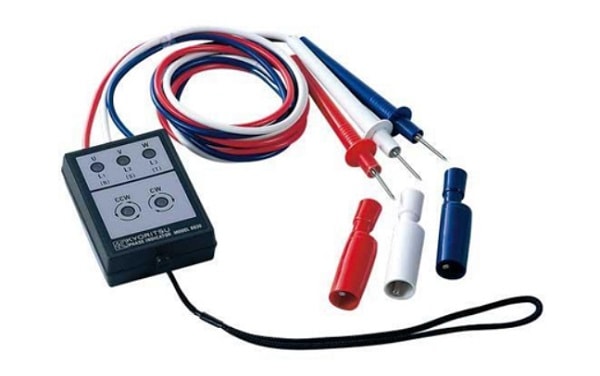
Why phase indicator inspection is important
Phase indicators are commonly used to check phase sequence and verify rotational direction in three-phase electrical systems. In practical work, this function is critical during motor installation, commissioning, equipment replacement, and preventive maintenance. If the instrument reading is not trustworthy, the resulting wiring or diagnosis decisions may also be affected.
Routine inspection helps users evaluate whether the instrument still performs as expected under normal operating conditions. For organizations managing multiple electrical test tools, this also supports internal quality systems and helps standardize test practices across technicians, departments, or project sites.
What this service category typically supports
This category focuses on inspection services for phase indicator instruments from commonly used manufacturers such as HIOKI, EXTECH, KYORITSU, PCE, SANWA, SEW, and TENMARS. The purpose is not simply to list brands, but to provide a clear path for users who need inspection support for the specific instruments already used in their maintenance or testing programs.
Examples in this category include the HIOKI Phase Indicator Inspection Service, TENMARS Phase Indicator Inspection Service, SEW Phase Indicator Inspection Service, EXTECH Phase Indicator Inspection Service, SANWA Phase Indicator Inspection Service, PCE Phase Indicator Inspection Service, and KYORITSU Phase Indicator Inspection Service. These references help illustrate the scope of supported service options for different instrument ecosystems.
When businesses usually request inspection service
Many customers send in instruments for inspection as part of scheduled maintenance planning, internal audit preparation, or routine test equipment control. This is especially common in manufacturing plants, M&E contractors, utility support teams, and facility management operations where three-phase checks are performed regularly.
Inspection may also be needed when a phase indicator has been stored for a long period, used intensively in the field, or exposed to demanding work environments. If there is uncertainty about indication behavior, response consistency, or general measurement confidence, a formal inspection process is a practical next step before the instrument is returned to service.
How to choose the right service for your instrument
The simplest starting point is to match the inspection service to the instrument manufacturer and intended application. If your team standardizes around brands such as KYORITSU or HIOKI, choosing the corresponding service category helps keep asset management more organized and makes it easier to align service records with your existing equipment list.
It is also useful to consider how the phase indicator fits into your broader electrical test workflow. In many maintenance environments, phase sequence checks are only one part of a larger diagnostic process that may also involve voltage verification, current measurement, or installation testing. For that reason, some users review related service options such as multimeter inspection or clamp meter inspection at the same time.
Typical applications behind phase indicator usage
Phase indicators are widely used during motor connection checks, pump and fan commissioning, electrical panel work, and service interventions on three-phase distribution systems. In these situations, technicians need a fast and dependable way to confirm rotational order before energizing equipment or finalizing wiring work.
They are also relevant in preventive maintenance programs where teams must verify system conditions before restarting machinery or after replacing upstream components. In these use cases, a properly inspected instrument supports smoother fieldwork and reduces avoidable delays caused by uncertain test results.
Supported manufacturers and service examples
This category includes service references for several recognized instrument brands used in industrial and commercial electrical measurement. Frequently requested options may involve HIOKI, EXTECH, KYORITSU, PCE, SANWA, SEW, and TENMARS, depending on the installed base of instruments within each organization.
Users often search directly by brand when replacing or servicing existing tools. For example, a company already using EXTECH or SANWA devices may prefer to keep service handling aligned with that installed fleet, while another site may focus on HIOKI or KYORITSU models to stay consistent with established maintenance procedures and technician familiarity.
Benefits of organizing inspection by device category
Managing inspection services by instrument type makes it easier to build a structured test equipment program. Instead of handling each asset in isolation, teams can group similar devices together, plan service intervals more efficiently, and maintain clearer records for audits, maintenance documentation, or internal control processes.
For organizations that maintain a broader range of electrical measuring instruments, this category-based approach also improves visibility across related service needs. Alongside phase indicators, some users may also require support for multifunction electrical installations meter inspection when installation verification is part of the same workflow.
Choosing a service path that fits your maintenance process
A suitable inspection service should align with how your instruments are actually used in the field. Teams working in industrial maintenance may prioritize service continuity and equipment tracking, while project-based contractors may focus on preparing instruments before commissioning work or handover activities.
If you are managing multiple electrical test devices, selecting the right service category from the start can save time and reduce administrative effort. This page is designed to help users find relevant inspection options for phase indicators and identify service paths that support a more controlled, reliable electrical testing process.
For companies that depend on accurate three-phase verification, a well-chosen inspection service is an important part of instrument lifecycle management. Reviewing service options by brand, device type, and testing workflow can help you keep your phase indicator ready for day-to-day field use while supporting better consistency across your electrical maintenance activities.
-
-
-
-
-
-
-
-
-
-
-
-
-
-
-
-
-
-
-
-
-
-
-
-