

Clamp Meter Inspection Service
Accurate current measurement is essential in electrical maintenance, panel testing, facility management, and troubleshooting work. When a clamp meter is used to verify load conditions, identify imbalance, or check live circuits, its measurement reliability directly affects both safety and decision-making. That is why a professional Clamp Meter Inspection Service plays an important role in maintaining confidence in everyday test results.
This service category is intended for businesses and technical teams that rely on clamp meters in regular field or bench work. Whether the instrument is used in industrial maintenance, building electrical systems, or service operations, inspection helps confirm that the meter remains suitable for its intended tasks and that its readings can still be trusted over time.
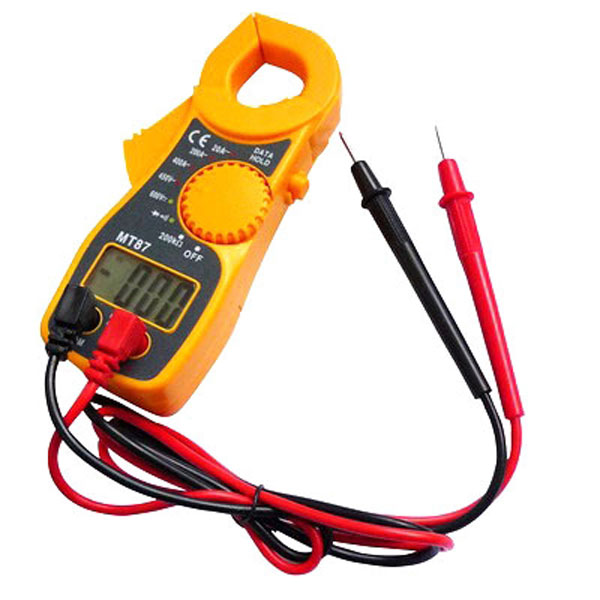
Why clamp meter inspection matters
A clamp meter is often chosen because it allows current measurement without breaking the circuit, making it practical for routine electrical checks. However, frequent transport, field exposure, mechanical stress, and long-term use can gradually affect measurement performance, jaw condition, display behavior, or input integrity. Inspection helps identify these issues before they lead to incorrect readings in critical work.
For many companies, inspection is not only about instrument condition but also about measurement consistency across teams and sites. When technicians compare current, voltage, continuity, or resistance values, they need confidence that the instrument itself is not introducing avoidable uncertainty into maintenance or diagnostic activities.
What is typically covered in the service
A clamp meter inspection service generally focuses on evaluating the operational condition of the instrument and checking whether core functions respond as expected. Depending on the meter design, this may involve assessment of current measurement behavior, clamp jaw operation, basic electrical functions, display status, controls, and overall physical condition.
It is also a practical way to detect signs of wear that may not be obvious during routine use. Problems such as unstable readings, damaged jaws, worn test lead connections, weak displays, or inconsistent response in common functions can be easier to identify during a structured inspection process than in day-to-day field work.
For organizations managing multiple handheld electrical instruments, clamp meter checks are often scheduled alongside related services such as multimeter inspection to keep maintenance planning more consistent across the test equipment fleet.
Suitable for many common clamp meter brands
This category includes inspection support for instruments from widely used manufacturers in industrial and electrical measurement environments. Brands such as FLUKE, HIOKI, YOKOGAWA, KEYSIGHT, TESTO, EXTECH, Chauvin Arnoux, Amprobe, and BKPRECISION are commonly found in service teams, maintenance departments, utilities, and facility operations.
The service listing also reflects brand-specific options, including examples such as FLUKE Clamp Meter Inspection Service, HIOKI Clamp Meter Inspection Service, YOKOGAWA Clamp Meter Inspection Service, EXTECH Clamp Meter Inspection Service, and Chauvin Arnoux Clamp Meter Inspection Service. These references help users quickly identify inspection coverage aligned with the instruments already deployed in their organization.
When to arrange inspection for a clamp meter
Inspection is especially worth considering when a meter is used frequently in preventive maintenance, commissioning, electrical troubleshooting, or safety-related checks. It is also advisable after the instrument has experienced impact, harsh storage conditions, abnormal readings, intermittent operation, or visible mechanical wear around the clamp mechanism and input area.
Many businesses also follow periodic inspection intervals as part of internal quality control or asset management procedures. This approach is useful when clamp meters are shared among technicians, moved across sites, or relied upon for repeatable comparison of electrical values over time.
If your workflow includes broader electrical verification tasks, it can also be helpful to review related services such as multifunction electrical installations meter inspection for teams working on installation testing and compliance-oriented measurement activities.
How to choose the right service option
Selection usually starts with the instrument brand, product condition, and how the clamp meter is used in practice. A meter dedicated to routine load checks may have different service priorities from one used in detailed diagnostics or in environments where reliability documentation is part of the maintenance process. Matching the service to the actual use case helps avoid unnecessary downtime and supports better equipment control.
It is also useful to prepare the exact instrument information before booking, especially if your organization manages multiple units from different manufacturers. This makes it easier to identify the appropriate service path, whether the equipment is a FLUKE unit, a HIOKI model, a YOKOGAWA instrument, or another supported brand from the category.
Where companies maintain several handheld electrical testers together, planning clamp meter inspection alongside phase indicator inspection service can simplify scheduling for electrical test assets used in the same maintenance cycle.
Examples of available inspection services in this category
The category includes a range of manufacturer-specific service entries to support common procurement and maintenance needs. Examples include HIOKI Clamp Meter Inspection Service, YOKOGAWA Clamp Meter Inspection Service, EXTECH Clamp Meter Inspection Service, Chauvin Arnoux Clamp Meter Inspection Service, KEYSIGHT Clamp Meter Inspection Service, TESTO Clamp Meter Inspection Service, Amprobe Clamp Meter Inspection Service, FLUKE Clamp Meter Inspection Service, and BKPRECISION Clamp Meter Inspection Service.
These listings are useful for procurement teams and maintenance coordinators who prefer to search by brand first, especially when managing service records for instruments from several vendors. They also help technicians locate a relevant option faster without having to browse unrelated equipment categories.
Supporting dependable electrical measurement workflows
In practical terms, a clamp meter is often one of the most frequently used handheld tools in electrical work because it combines speed, convenience, and live-circuit measurement capability. Keeping that instrument in good checked condition supports safer troubleshooting, more dependable trend comparison, and better confidence when interpreting field data.
For organizations that rely on electrical test instruments every day, regular inspection is a sensible part of equipment management rather than an afterthought. It helps reduce uncertainty, supports maintenance quality, and makes it easier to keep instruments ready for real operational demands.
Conclusion
Choosing the right clamp meter inspection service is ultimately about maintaining trust in the readings your team uses for maintenance, diagnosis, and electrical verification. With service options aligned to major brands such as FLUKE, HIOKI, YOKOGAWA, KEYSIGHT, TESTO, and others, this category helps businesses find a practical route to keep essential handheld test equipment under control.
If your operation depends on reliable electrical measurements, periodic inspection of clamp meters is a straightforward step toward better instrument oversight, more consistent field work, and stronger confidence in day-to-day testing results.
-
-
-
-
-
-
-
-
-
-
-
-
-
-
-
-
-
-
-
-
-
-
-
-