

Distance Meter Inspection Service
Reliable distance measurement matters in construction layout, facility maintenance, interior fit-out, surveying support, and many daily inspection tasks. When a laser distance meter or electronic range meter starts to drift, the impact is not only inaccurate readings but also rework, documentation errors, and reduced confidence in field data. A dedicated Distance Meter Inspection Service helps users verify whether their instrument is still performing as expected and suitable for continued use.
This service category is intended for businesses and technical teams that depend on repeatable measurement results. Whether the device is used for building measurements, installation planning, or routine site checks, periodic inspection is a practical way to manage tool condition across a fleet of handheld measuring instruments.
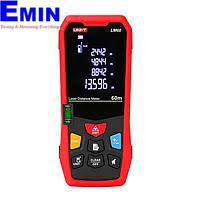
Why distance meter inspection is important
A distance meter is often treated as a convenient handheld tool, but in many workflows it supports decisions that affect installation accuracy, quantity takeoff, and final acceptance. Over time, normal use, impact, transport, environmental exposure, or simple wear can influence measurement reliability. Inspection helps identify these issues before they become costly on site.
For organizations managing multiple instruments, a structured inspection process also supports better asset control. It becomes easier to separate devices that remain fit for service from those that require further maintenance, replacement, or more detailed evaluation. In environments where several types of test equipment are used together, users may also benefit from related services such as electrical and electronic meter inspection service for broader instrument management.
Typical applications for this service
Distance meter inspection is relevant wherever portable measuring tools are used to capture linear dimensions quickly and consistently. Common users include contractors, MEP installers, maintenance teams, fit-out companies, engineering support teams, and technical procurement departments responsible for tool upkeep.
In practice, inspection is especially useful when an instrument has been dropped, exposed to demanding site conditions, or is being reviewed as part of periodic internal quality control. It is also a sensible step before assigning equipment to new projects, issuing tools to field crews, or standardizing inspection intervals across departments.
Supported brands and service examples
This category covers inspection service options for a range of widely used manufacturers. Common examples include instruments from BOSCH, LEICA, FLUKE, MAKITA, NIKON, STANLEY, EXTECH, PCE, Niigata Seiki, and Proskit. Brand-specific service listings help buyers find a suitable entry point based on the equipment already used in their organization.
Representative options in this category include the BOSCH Distance Meter Inspection Service, LEICA Distance Meter Inspection Service, MAKITA Distance Meter Inspection Service, EXTECH Distance Meter Inspection Service, NIKON Distance Meter Inspection Service, and FLUKE Distance Meter Inspection Service. There are also service listings for STANLEY, PCE, Niigata Seiki, and Proskit devices. These examples are useful for identifying supported product ecosystems without turning the page into a long model list.
What an inspection service helps you confirm
The goal of an inspection is to assess the condition and measurement behavior of the instrument in a practical, service-oriented way. For distance meters, this generally relates to whether the unit responds correctly, whether readings remain stable, and whether the device is suitable for continued operational use within the context of normal field measurement tasks.
For buyers and maintenance teams, the value lies in risk reduction. A checked instrument is easier to manage within internal workflows for tool issuance, site readiness, and equipment records. If your operation also uses other portable instruments outside the distance-measurement range, categories such as specialty meter inspection services can help extend the same maintenance logic to adjacent device groups.
How to choose the right inspection service listing
The simplest approach is to start with the manufacturer of the instrument you are currently using. If your equipment fleet includes brands such as BOSCH, LEICA, MAKITA, or FLUKE, choosing the corresponding service listing reduces confusion and helps align the request with the device family in use. This is particularly helpful for purchasing teams handling service requests for multiple departments.
It is also worth considering how the instrument is used. A distance meter assigned to frequent construction-site work may need closer attention than a unit kept mainly for occasional indoor verification. Reviewing service needs by usage intensity, handling conditions, and internal inspection schedules can make procurement more consistent and easier to document.
Inspection service within a broader equipment management workflow
Distance meters are rarely the only measuring devices used in technical operations. Many organizations manage a mixed inventory that may include electrical testers, gas detection devices, and mechanical measuring tools. Treating inspection as part of a wider equipment quality workflow helps standardize maintenance planning, reduce untracked tool issues, and improve readiness across teams.
For example, companies that maintain dimensional tools alongside gauges and handheld instruments may also review mechanical measuring instruments inspection service options. This creates a more connected approach to service planning rather than handling each tool category only when a problem appears.
Who benefits most from regular inspection
Regular inspection is especially valuable for organizations that rely on portable measurement tools in daily operations. This includes contractors working across multiple job sites, facility teams responsible for renovation and maintenance, and distributors or service providers that need visibility into the condition of customer-returned or internally used instruments.
It is equally relevant for procurement and asset management teams. A documented inspection path helps support replacement planning, budgeting, and lifecycle decisions. Instead of relying only on user feedback such as “the readings seem off,” teams can build a more structured process around actual instrument condition and service history.
Find a suitable distance meter inspection option
Choosing the right service starts with matching the inspection listing to the brand of your instrument and the way it is used in the field. Whether you are maintaining a small number of handheld units or coordinating service for a larger tool inventory, this category provides a focused starting point for managing distance measurement reliability more effectively.
By reviewing the available brand-specific service options for BOSCH, LEICA, MAKITA, FLUKE, NIKON, STANLEY, EXTECH, PCE, Niigata Seiki, and Proskit, buyers can move toward a clearer maintenance workflow with less guesswork. A practical inspection plan helps keep measuring tools dependable, supports day-to-day work quality, and reduces the operational impact of unnoticed measurement drift.
-
-
-
-
-
-
-
-
-
-
-
-
-
-
-
-
-
-
-
-
-
-
-
-