

X-Ray Inspection Machine Calibration Service
Accurate defect analysis depends heavily on how reliably an inspection system measures and reproduces what it sees. In SMT production, electronics assembly, and quality control environments, even a high-performance X-ray system can lose practical value if image scaling, alignment, or detection consistency begins to drift over time. That is why X-Ray Inspection Machine Calibration Service plays an important role in maintaining inspection confidence and supporting stable process control.
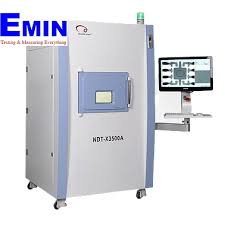
Why calibration matters for X-ray inspection equipment
X-ray inspection machines are used to evaluate hidden structures that cannot be confirmed by visual inspection alone. In electronics manufacturing, they are commonly relied on to assess solder joints, component placement, internal connections, voids, and other concealed conditions that affect assembly quality. When calibration is not maintained, the inspection result may no longer reflect the actual condition of the product under test.
A structured calibration process helps verify that the machine is operating within expected measurement and imaging conditions. This supports more consistent interpretation, improves traceability, and reduces the risk of false acceptance or unnecessary rejection. For businesses working with demanding quality requirements, calibration traceability is not just a maintenance task but part of overall process assurance.
Typical situations when this service is needed
Calibration is often scheduled as part of routine quality management, but it is also relevant after relocation, repair, major maintenance, or any event that could affect system stability. If operators notice inconsistent image results, measurement deviation, repeatability issues, or difficulty comparing new scans with historical data, calibration should be considered promptly.
Companies that rely on X-ray systems for regular inspection usually need predictable performance over long production cycles. Periodic calibration helps maintain confidence in inspection data and supports internal audits, customer requirements, and equipment management programs. In many facilities, this service is coordinated alongside other verification activities for production and inspection tools.
What an X-ray inspection machine calibration service generally supports
Although calibration scope can vary depending on the machine design and application, the goal is usually to confirm that critical inspection functions remain stable and measurable. This can include checks related to imaging accuracy, dimensional reference consistency, positioning behavior, and repeatability under defined conditions. The exact procedure depends on the equipment configuration and its role in the process.
For production environments where inspection is linked closely to soldering quality and hidden-joint analysis, calibration helps protect the reliability of downstream decisions. A well-maintained inspection platform supports operators, quality engineers, and process teams by keeping results more comparable over time. This is especially important when X-ray findings are used to guide corrective action or validate process changes.
How this service fits into SMT and electronics quality workflows
X-ray inspection is rarely a standalone activity. It usually works as part of a broader control chain that may include thermal verification, component handling checks, and final quality assessment. When calibration is handled properly across related equipment, the full manufacturing workflow becomes easier to monitor and more dependable in day-to-day operation.
For example, companies managing multiple inspection and process-control tools may also review related services such as component counter calibration where inventory accuracy and feeder preparation affect line performance. In soldering-focused applications, consistent measurement can also depend on services such as soldering temperature tester calibration to support thermal process verification.
Points to consider when selecting a calibration service
When evaluating a calibration service for X-ray inspection equipment, it helps to focus on the practical outcome rather than only the service name. Buyers typically look for a process that supports documented results, repeatable verification, and suitability for the inspection task performed in their facility. Clear reporting is also valuable because it helps maintenance, quality, and engineering teams review equipment status and plan follow-up actions when needed.
It is also useful to consider how the service aligns with production schedules and internal quality procedures. In B2B and industrial settings, serviceability, documentation quality, and application relevance are often more important than generic claims. A good calibration workflow should support inspection reliability while minimizing unnecessary disruption to operations.
Benefits of regular calibration over reactive maintenance
Waiting until an inspection problem becomes obvious can lead to delays, uncertain product evaluation, and extra troubleshooting time. By contrast, regular calibration helps identify performance drift earlier and creates a more stable baseline for quality decisions. This can improve confidence in failure analysis, production release, and ongoing process monitoring.
For organizations that use X-ray systems frequently, a preventive approach is often more efficient than relying only on corrective action. It supports better equipment lifecycle management and helps reduce ambiguity when comparing inspection data from different periods. In practice, preventive calibration contributes to smoother audits, clearer records, and more consistent use of the inspection system.
Related calibration needs in the same equipment environment
In many electronics manufacturing facilities, X-ray inspection machines are only one part of the broader SMT calibration plan. Depending on the production setup, teams may also need calibration support for thermal verification tools, counting equipment, and other instruments used to control assembly quality. Looking at these needs together can make service planning more efficient and help maintain consistency across the line.
If you are reviewing this category as part of a wider maintenance or compliance program, you may also want to explore the broader SMT calibration service scope. That wider context can help identify where X-ray machine calibration fits within the complete inspection and assembly ecosystem.
Choosing the right service for your inspection process
The right calibration approach depends on how the X-ray inspection machine is used, how critical its results are to product acceptance, and how your organization manages quality documentation. Facilities with frequent hidden-joint analysis, process validation, or detailed failure review typically benefit from a clearly defined calibration routine that supports repeatable results and dependable records.
As part of an industrial quality strategy, X-ray inspection machine calibration service helps keep inspection data trustworthy and easier to act on. Whether the goal is routine verification, audit readiness, or better process control, a well-planned calibration schedule can support more consistent decisions across electronics manufacturing and SMT inspection workflows.
-
-
-
-
-
-
-
-
-
-
-
-
-
-
-
-
-
-
-
-
-
-
-
-