

Steel Structure Analyzer Calibration Service
Reliable inspection data depends not only on the analyzer itself, but also on how well its measurement performance is maintained over time. In structural assessment, small deviations can affect maintenance decisions, acceptance checks, and the interpretation of steel condition in the field. That is why a dedicated Steel Structure Analyzer Calibration Service is an important part of any inspection and quality-control workflow.
This category focuses on calibration support for steel structure analyzers used in testing, inspection, and condition assessment applications. Whether the instrument is used during construction, periodic maintenance, or technical evaluation of existing assets, calibration helps verify that readings remain consistent, traceable, and suitable for professional use.
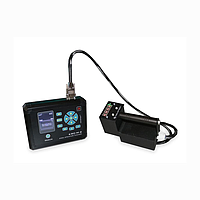
Why calibration matters for steel structure analyzers
Steel structure analysis often supports decisions related to structural integrity, maintenance planning, and inspection reporting. If an instrument drifts over time, the user may see readings that no longer reflect the expected measurement behavior. Regular calibration helps reduce uncertainty and improves confidence in the data collected on site or in controlled testing environments.
In B2B settings, calibration also supports better documentation practices. Service records can help inspection teams, contractors, laboratories, and asset owners maintain a clearer history of instrument performance, which is especially useful when equipment is shared across projects or used under demanding field conditions.
Typical situations where recalibration is recommended
Calibration is commonly considered at scheduled intervals, but there are also practical triggers that make service advisable sooner. Instruments that are transported frequently, exposed to impact, used intensively, or operated in changing environmental conditions may benefit from earlier verification.
Recalibration is also worth considering after repair, after suspected measurement drift, or before a critical inspection campaign. For organizations managing multiple test instruments, aligning service timing across related devices can help simplify maintenance planning. If your workflow also relies on concrete surface testing or reinforcement location tools, related services such as concrete test hammer calibration and cover meter and rebar detector calibration may also be relevant.
What this service supports in daily operations
A professional calibration service helps users confirm that the instrument is operating within expected measurement behavior for its intended function. This is especially important when the analyzer is used to support inspection reports, internal quality procedures, or comparison of results across multiple jobsites.
For companies involved in civil engineering, structural assessment, plant maintenance, or infrastructure inspection, calibrated instruments contribute to more repeatable workflows. They also help reduce avoidable retesting caused by questionable readings, inconsistent results between teams, or uncertainty about equipment status.
NOVOTEST calibration support in this category
This category includes the NOVOTEST ecosystem, with the NOVOTEST Steel Structure Analyzer Calibration Service available as a representative option. When choosing a service, many buyers look not only at brand compatibility, but also at how well the service fits their maintenance cycle, documentation needs, and equipment usage pattern.
Using a service aligned with the instrument brand can help streamline communication and service matching. It also makes it easier for purchasing teams and technical users to identify the right support path for the analyzer already deployed in the field.
How to choose the right calibration service
The most practical starting point is the exact analyzer model, its current condition, and how the instrument is used in real projects. A device used occasionally for routine checks may have different service timing needs than one used daily for inspection, survey, or acceptance work.
It is also useful to review your internal quality requirements, reporting expectations, and service records. Buyers often compare turnaround considerations, brand alignment, and whether calibration is being requested as part of a wider instrument maintenance plan. In organizations that work across several material testing methods, it may be efficient to coordinate calibration with related services such as concrete ultrasonic detector calibration or rebar corrosion detection calibration.
Who typically uses this type of service
This category is relevant for inspection firms, testing laboratories, construction contractors, engineering consultants, infrastructure maintenance teams, and asset owners responsible for structural evaluation equipment. In these environments, measurement reliability is closely tied to project efficiency and the credibility of technical findings.
Procurement teams may view calibration as part of lifecycle cost control, while technical users focus on instrument readiness and result consistency. A well-planned service schedule helps both sides: equipment remains available for use, and organizations can better manage service intervals across their testing fleet.
Supporting a broader structural testing workflow
Steel structure analyzers are often only one part of a larger inspection toolkit. Structural evaluation programs may also involve concrete, reinforcement, corrosion, or non-destructive testing methods, depending on the site and the inspection scope. For that reason, calibration planning is often more effective when viewed as part of a broader equipment management process rather than a one-off service event.
Keeping key instruments calibrated helps create a more dependable workflow from pre-inspection preparation through final reporting. It also gives project teams a clearer basis for comparing readings over time, especially when multiple operators or multiple instruments are involved.
Conclusion
When inspection results need to be dependable, calibration should not be treated as an afterthought. A suitable Steel Structure Analyzer Calibration Service helps maintain confidence in instrument performance, supports better documentation, and contributes to more consistent structural assessment work.
If you are reviewing service options for an existing analyzer or planning a broader calibration schedule for testing equipment, this category provides a focused starting point. Choosing the right service approach can help keep your instruments ready for routine inspections as well as more demanding technical evaluations.
-
-
-
-
-
-
-
-
-
-
-
-
-
-
-
-
-
-
-
-
-
-
-
-