

Rebar Corrosion Detection Calibration Service
Accurate corrosion assessment depends not only on the instrument itself, but also on how reliably it has been calibrated over time. In concrete inspection and structural maintenance, even small measurement deviations can affect condition evaluation, maintenance planning, and confidence in test results. That is why Rebar Corrosion Detection Calibration Service is an important part of keeping corrosion assessment equipment dependable in real inspection work.
This service category supports users who rely on corrosion detection instruments for reinforced concrete investigations, asset monitoring, and quality control. Whether the equipment is used in periodic structural surveys or project-based testing, proper calibration helps maintain traceable performance, improves repeatability, and reduces uncertainty during field interpretation.
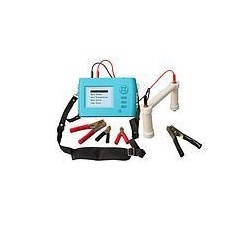
Why calibration matters for corrosion detection instruments
Rebar corrosion detection devices are commonly used to evaluate the likelihood or severity of corrosion activity in reinforced concrete. Because these measurements may influence repair decisions or further testing, the instrument must perform consistently under expected operating conditions. Calibration service helps verify that the device is functioning within an acceptable measurement range and remains suitable for technical use.
Over time, transport, regular handling, environmental exposure, and long-term usage can affect instrument response. Scheduled calibration helps identify drift before it becomes a larger issue, while also supporting better documentation for internal quality systems, laboratories, contractors, and inspection teams working on critical structures.
Typical situations where this service is needed
This category is relevant for organizations that use corrosion detection equipment in construction inspection, infrastructure maintenance, consulting, and materials testing. It is especially useful when instruments are used repeatedly across multiple sites and need periodic verification to maintain confidence in recorded values.
Calibration is also often requested before major inspection campaigns, after long storage periods, after repair, or when users notice inconsistent readings in the field. In these cases, service support helps confirm whether the instrument is still performing correctly and ready for continued deployment.
Supported brands and representative service options
This category includes calibration support for selected instruments and service lines from manufacturers widely recognized in concrete testing and inspection. Examples include PROCEQ and ELCOMETER, both of which are relevant names for professionals working with reinforced concrete evaluation equipment.
Representative listings in this category include the PROCEQ Rebar Corrosion Detection Calibration Service and the ELCOMETER Rebar Corrosion Detection Calibration Service. These examples help illustrate the scope of service available for users who need calibration support aligned with specific equipment ecosystems, without turning the page into a simple product list.
How this service fits into a broader concrete testing workflow
Corrosion assessment is rarely performed in isolation. In many inspection programs, corrosion detection is used alongside cover measurement, concrete integrity checks, or surface hardness evaluation to build a more complete picture of structural condition. Keeping each instrument properly calibrated supports better correlation between methods and more reliable reporting.
If your inspection process also involves locating reinforcement before corrosion analysis, it may be useful to review cover meter and rebar detector calibration service. For teams working with broader concrete condition assessment programs, concrete ultrasonic detector calibration service can also be relevant.
What to consider when selecting a calibration service
When choosing a service option, it is worth confirming that the calibration scope matches the actual equipment being used and the way it is applied in practice. Brand compatibility, instrument condition, service history, and the role of the device in your testing workflow all matter. A suitable calibration process should help users maintain practical confidence in the instrument rather than simply checking a maintenance box.
It is also helpful to consider service timing in relation to project schedules. Sending equipment for calibration before high-priority inspections can reduce the risk of delays caused by questionable measurements or the need for repeat testing. For organizations managing several concrete testing tools, aligning service intervals across equipment categories can improve planning and equipment availability.
Related calibration needs in reinforced concrete testing
Many users who need corrosion detection calibration also manage other concrete and rebar testing instruments. Depending on the inspection scope, calibration planning may include rebound hammer verification, reinforcement location tools, or other concrete test devices used in the same reporting chain.
For example, teams responsible for surface strength estimation may also need concrete test hammer calibration service. Looking at calibration requirements as part of the full inspection workflow often makes asset management more efficient and helps reduce gaps between field testing methods.
Choosing the right service path for your equipment
The right calibration approach depends on the instrument brand, how frequently the device is used, and the level of documentation required by your organization or project. Users working with established equipment lines from PROCEQ or ELCOMETER may prefer service paths that align closely with those product environments and their inspection routines.
In practice, a well-chosen rebar corrosion detection calibration service supports more consistent measurement performance, clearer maintenance records, and stronger confidence in condition assessment work. If your team depends on corrosion detection data for reinforced concrete evaluation, this category provides a focused starting point for keeping that equipment ready for reliable use.
-
-
-
-
-
-
-
-
-
-
-
-
-
-
-
-
-
-
-
-
-
-
-
-