

Analyzer Scale Calibration Service
Reliable weighing data is essential wherever traceability, formulation accuracy, and repeatable quality control matter. In laboratories, production support environments, and inspection workflows, even small measurement drift can affect results, documentation, and downstream decisions. That is why Analyzer Scale Calibration Service plays an important role in maintaining confidence in analytical and laboratory weighing equipment.
This category is focused on calibration support for analyzer and analytical scale applications where precision is critical. Whether the requirement comes from routine quality procedures, internal maintenance schedules, or preparation for audits, the goal is the same: verify that the instrument is measuring within expected performance and support more dependable day-to-day operation.
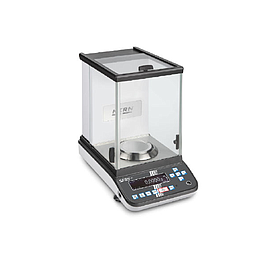
Why calibration matters for analyzer scales
Analyzer scales are typically used in tasks where very small differences in mass must be detected consistently. In practice, this can include sample preparation, formulation work, laboratory testing, and process checks. Over time, environmental conditions, handling, relocation, and normal use can influence weighing performance, making regular calibration a practical part of instrument control.
A proper calibration service helps users confirm that the scale remains suitable for its intended purpose. It also supports better documentation for regulated or quality-driven environments, where weighing accuracy is tied to internal procedures and verification records rather than simple convenience.
What this service category is intended for
This category covers service options related to analyzer scale and analytical balance calibration. It is relevant for organizations using sensitive weighing instruments that require consistent measurement behavior, especially where small sample masses or fine resolution are part of normal work.
While the exact service scope may vary depending on the equipment and application, users typically look for calibration when they need to check performance, maintain measurement confidence, and reduce the risk of unnoticed drift. For broader weighing needs, related categories such as precision scale calibration or moisture analyzer calibration service may also be relevant depending on the instrument type.
Common situations where users request analyzer scale calibration
Calibration is often scheduled as part of a routine preventive maintenance or quality assurance program. It is also commonly requested after equipment has been moved, after service work, when results appear inconsistent, or before important inspections and validation activities.
Another common scenario is multi-instrument environments where several weighing devices are used for different ranges and tasks. In those cases, analyzer scales are usually handled differently from larger platforms because they are more sensitive to setup conditions, leveling, vibration, airflow, and operator technique. That makes periodic review especially important for applications where measurement repeatability directly affects process or lab outcomes.
Examples of supported brands and service references
This category includes service references for widely used weighing brands in laboratory and industrial environments. Examples include Mettler Toledo, OHAUS, KERN, CAS, YOKE, and Benchmark, depending on the equipment in use and the required calibration context.
Representative service items in this category include Mettler Toledo Analytical Balance Calibration Service, Ohaus Analytical Balance Calibration Service, Yoke Analytical Balance Calibration Service, Benchmark Analytical Balance Calibration Service, and Cas Digital Analytical Balance Calibration Service. These examples help illustrate the type of support users often search for when they need brand-aligned calibration coverage rather than a generic weighing service.
How to choose the right calibration service
When selecting a service, the first step is to match it to the actual weighing instrument and its operating role. Analyzer scales, analytical balances, and precision balances may appear similar in procurement records, but they can be used under different conditions and with different expectations for sensitivity and documentation. Choosing the correct category helps avoid service mismatches and supports more efficient maintenance planning.
It is also useful to consider how the equipment is used in practice: frequency of use, required confidence level, internal quality procedures, and whether the instrument is part of a larger validation or inspection workflow. If the equipment is not an analyzer-type scale, another related option such as floor scales calibration service may be more appropriate for heavier-capacity weighing systems.
Calibration within a broader weighing management program
Analyzer scale calibration is often only one part of a complete weighing equipment strategy. Many facilities operate a mix of analytical balances, precision scales, floor scales, and specialized instruments, each with different performance demands. Organizing calibration by instrument type makes service planning clearer and helps ensure that each device receives the right level of attention.
For teams responsible for multiple categories of weighing assets, it can be useful to review adjacent services such as crane scale calibration for lifting and suspended load applications. This category-specific approach supports better asset oversight and reduces the chance of treating all scales as if they have the same operating risks or measurement requirements.
What buyers and maintenance teams should prepare
Before arranging calibration, it helps to confirm the instrument type, brand, model reference, and where the device is installed. Basic information about the working environment and how the scale is used can also help determine whether the selected service aligns with the real application. This is particularly important for analyzer scales, where installation conditions can influence performance just as much as the device itself.
Where relevant, buyers may also want to align calibration timing with internal audits, scheduled shutdowns, or laboratory maintenance windows. Taking a structured approach makes service coordination easier and helps keep critical weighing equipment available when needed.
Supporting dependable analytical weighing
Choosing the right calibration service for analyzer scales is less about checking a box and more about protecting the reliability of weighing results over time. In environments where small mass differences matter, a well-matched service category helps users maintain control, improve consistency, and support documented measurement practices.
If your operation relies on sensitive laboratory or analyzer-type weighing equipment, this category provides a focused starting point for identifying suitable service options. It can also be used alongside related weighing service categories to build a more complete and practical calibration plan across your equipment base.
-
-
-
-
-
-
-
-
-
-
-
-
-
-
-
-
-
-
-
-
-
-
-
-