

Optical analyzer calibration service
Accurate optical measurement depends not only on the analyzer itself, but also on how reliably it has been verified over time. In laboratories, lighting test environments, photometric evaluation, and quality control workflows, even small measurement drift can affect comparison data, acceptance criteria, and long-term traceability. That is why a professional optical analyzer calibration service is an important part of maintaining dependable test results.
This category focuses on calibration support for optical analyzers used in demanding measurement environments. Whether the priority is restoring confidence in an instrument, supporting internal quality procedures, or keeping a test system aligned with routine maintenance schedules, calibration helps ensure the analyzer continues to deliver usable and consistent data.
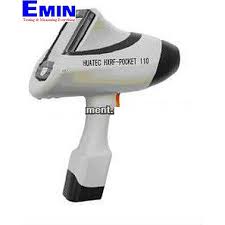
Why calibration matters for optical analyzers
Optical analyzers are often used where measurement integrity directly influences engineering decisions. In these applications, users rely on stable readings for evaluation, comparison, documentation, and process control. Over time, normal instrument aging, environmental exposure, transport, and repeated use can all contribute to deviation from expected performance.
A well-planned calibration workflow helps identify drift and confirms whether the instrument remains suitable for its intended use. This is especially relevant when the analyzer is part of a broader optical or photometric test setup, where one inaccurate device can affect the reliability of the entire measurement chain.
Typical situations when calibration should be considered
Many organizations schedule calibration at regular intervals as part of preventive quality management. Others send instruments for service after a major relocation, after unusually heavy use, or when measurement results no longer align with reference expectations. If data trends begin to change without a clear process reason, calibration is often one of the first practical checks.
Calibration is also useful before critical projects, product validation work, customer audits, or internal compliance reviews. In short, if the analyzer is being used to support decisions that require confidence and repeatability, periodic verification is a sensible step rather than a reactive one.
Scope of services available in this category
This category includes service options for representative instruments such as the Lisun Optical Analyzer Calibration Service and the EVERFINE Optical Analyzer Calibration Service. These examples illustrate the type of manufacturer-specific support commonly needed when users want calibration matched to the instrument platform they operate.
Where relevant, customers may also look for manufacturer context through Lisun or EVERFINE product ecosystems, especially when calibration planning is part of a wider instrument management strategy. The main goal remains the same: keeping the analyzer ready for dependable measurement tasks without treating calibration as an afterthought.
What users generally expect from an optical analyzer calibration service
In practical terms, customers usually want more than a simple check. They want confirmation that the instrument has been evaluated in a controlled service process, with attention to measurement consistency and service documentation appropriate for industrial or laboratory use. This supports easier recordkeeping and clearer maintenance history over the life of the device.
For technical teams, the value of calibration is not limited to compliance. It also helps reduce uncertainty when comparing historical data, transferring instruments between projects, or troubleshooting unexpected variation in optical measurements. In this sense, calibration supports both measurement confidence and operational continuity.
How to choose the right service path
When selecting a calibration service, start with the instrument type, actual use case, and the level of traceability required by your organization. A production test bench, R&D lab, and incoming inspection process may all use optical analyzers differently, so service expectations can vary. It is also worth considering service history, calibration interval planning, and whether the analyzer operates alongside other optical instruments that should be maintained on a similar schedule.
If your workflow includes related devices, it can be helpful to review adjacent service categories such as optical power meter calibration or OTDR photometer calibration. Looking at calibration needs across the full optical test chain often leads to better maintenance planning than treating each instrument in isolation.
Applications where reliable calibration has a clear impact
Optical analyzer calibration is relevant in many environments where measured light characteristics influence engineering judgment. This may include lighting and display evaluation, optical component testing, electronics and photometric lab work, product verification, and quality assurance processes that depend on repeatable readings. In each of these cases, a calibrated analyzer helps teams interpret results with greater clarity.
The practical benefit is often seen in reduced rework, more stable comparison between test cycles, and fewer questions about whether unexpected data comes from the product under test or from the instrument itself. For B2B users, that distinction matters because it affects troubleshooting time, reporting quality, and confidence in customer-facing or audit-facing documentation.
Supporting a more stable optical measurement program
Calibration works best when it is part of a broader equipment management routine rather than a one-time response to problems. Keeping records of service intervals, instrument usage conditions, and previous calibration events can help technical teams decide when action is needed and avoid unnecessary downtime. This is especially useful in facilities that manage multiple optical instruments across testing, production, and service departments.
For organizations that rely on analyzers for recurring measurement tasks, a structured calibration plan helps protect the value of the instrument and the quality of the data it produces. That makes this category useful not only for immediate service needs, but also for long-term maintenance planning within professional optical measurement environments.
Choosing the right optical analyzer calibration service is ultimately about protecting data reliability, supporting quality processes, and keeping instruments aligned with real operating needs. If your analyzer plays a role in evaluation, verification, or process control, regular calibration is a practical step toward more consistent and trustworthy optical measurements.
-
-
-
-
-
-
-
-
-
-
-
-
-
-
-
-
-
-
-
-
-
-
-
-