

Mechanical and Physical Testing Equipment Calibration Service
Reliable test results depend not only on the quality of the instrument, but also on how accurately it is calibrated over time. In laboratories, QA departments, materials testing environments, and production facilities, mechanical and environmental test equipment is often used to verify product performance, compliance, and process stability. When those instruments drift, the risk is not limited to measurement error; it can affect validation, traceability, and decision-making across the workflow.
Mechanical and Physical Testing Equipment Calibration Service supports this need by helping users maintain confidence in force measurement systems, environmental chambers, material testing instruments, and related equipment. This category covers a broad range of calibration requirements for equipment used in durability testing, temperature and humidity conditioning, tensile and force verification, thermal exposure, and other physical test applications.
Why calibration matters for testing and QA equipment
Mechanical and physical testing instruments are typically used where repeatability and traceable measurement are essential. A small deviation in force, temperature, humidity, timing, or chamber uniformity can lead to inconsistent test outcomes, failed audits, or inaccurate comparisons between production batches.
Regular calibration helps verify that the equipment performs within expected limits and remains suitable for its intended task. For organizations working under internal quality systems or regulated procedures, calibration also supports documentation, maintenance planning, and long-term equipment reliability.
Equipment typically covered in this category
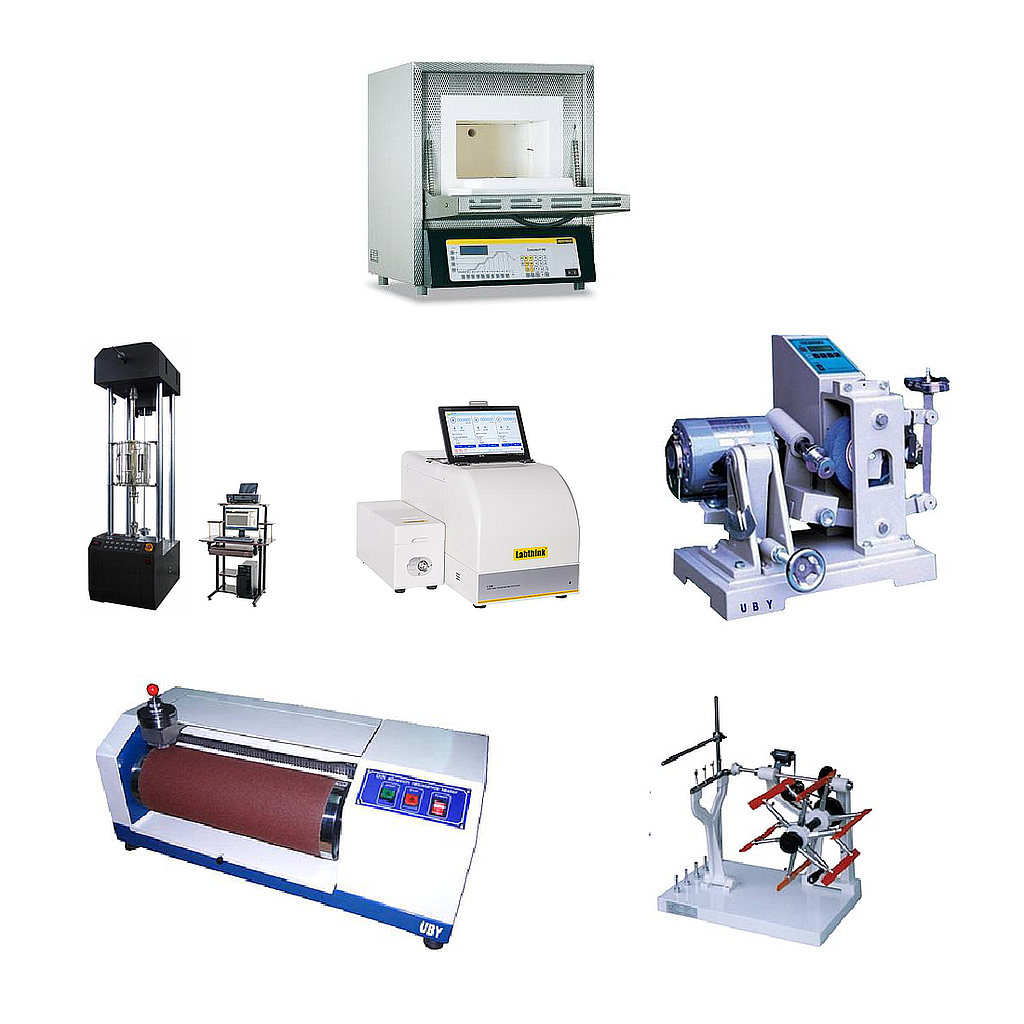
This category is relevant for a wide mix of devices used in material evaluation and environmental simulation. Common examples include force gauges, tensile testing systems, melt flow index testers, temperature and humidity chambers, thermal shock chambers, furnaces, vibration testers, impact systems, and various chambers used for aging, dust, waterproof, corrosion, or sunlight simulation tests.
In practice, calibration needs vary by equipment type. A force-based instrument may require verification of load response and indication accuracy, while a chamber often needs evaluation of temperature or humidity performance at controlled conditions. For users handling broader dimensional or contact-based tools alongside test systems, related support may also be found under mechanical measuring instrument calibration.
Examples of calibration services available
Several representative services in this category show the range of supported applications. For polymer and materials testing, the Buchi Melt Flow Index Tester Calibration Service addresses a common need in plastics flow evaluation. In environmental testing, services such as ESPEC Thermal Shock chamber Calibration Service, ESPEC Temperature and Humidity Chamber Calibration Service, Binder Temperature and Humidity Chamber Calibration Service, JEIOtech Temperature and Humidity Chamber Calibration Service, and MEMMERT Constant Climate Chamber Calibration Service illustrate typical chamber-related requirements.
For force measurement and mechanical loading applications, available examples include IMADA Force testing machine Calibration Service, IMADA Force gauge Calibration Service, DILLON Force gauge Calibration Service, KERN Tensile force gauge Calibration Service, EXTECH Force gauge Calibration Service, and ELCOMETER Tension Monitor Calibration Service. These examples reflect the practical scope of calibration work in both standalone gauges and larger test systems.
Typical calibration focus areas by equipment type
Force and tensile equipment generally requires attention to load indication, repeatability, applied force accuracy, and the consistency of readings across the measurement range. This is especially important in pull, compression, peel, and materials strength testing, where inaccurate force values can directly affect pass/fail conclusions.
Environmental chambers are often assessed for temperature performance, humidity control, stability, and distribution within the working space. In test programs involving accelerated aging or thermal cycling, these factors influence whether products are exposed to the intended conditions. If your work also includes power-related verification for auxiliary equipment, AC/DC power supply calibration services may be relevant in the same maintenance plan.
Material and physical property testers may involve calibration of controlled motion, thermal conditions, timing, or other process variables depending on the instrument design. The exact method depends on the equipment function, but the objective remains the same: to confirm that the measured or controlled parameter is trustworthy and suitable for ongoing test use.
Supported brands and service context
This category includes calibration support for well-known manufacturers commonly used in laboratories and industrial testing. Examples from the current offering include ESPEC, IMADA, Binder, JEIOtech, MEMMERT, Buchi, DILLON, ELCOMETER, EXTECH, and KERN. Brand-specific references are useful because calibration planning often follows the installed equipment base already operating in the facility.
At the same time, calibration should be considered according to the instrument function, usage frequency, and required measurement confidence rather than by brand name alone. A temperature and humidity chamber in continuous qualification use may require a different maintenance cadence from a force gauge used for routine incoming inspection, even if both are from established manufacturers.
How to choose the right calibration service
Start with the actual role of the equipment in your process. Ask whether the instrument is used for product release, R&D comparison, supplier verification, environmental simulation, or maintenance checks. The answer helps define the level of calibration detail required and the importance of traceable records.
It is also useful to group equipment by measurement principle. Force gauges, tensile testers, and tension monitors belong to one calibration logic; chambers and climate systems belong to another. For organizations maintaining multiple categories of instruments, it can be more efficient to review adjacent service groups such as electrical and electronic meter calibration services when building a broader calibration schedule.
When recalibration should be considered
Recalibration intervals are usually influenced by usage intensity, internal quality procedures, operating environment, and the criticality of the measurement. Equipment that is transported frequently, exposed to vibration, used at high duty cycles, or relied upon for formal reporting may need closer review than instruments used occasionally for reference checks.
Additional calibration may also be appropriate after repair, relocation, overload events, suspected drift, or unexplained differences in test results. In many cases, early recalibration is a practical way to reduce uncertainty before it affects production or validation work.
A practical approach for laboratories and industrial users
Managing test equipment effectively means looking beyond a single instrument and considering the entire testing workflow. Force measurement devices, climate chambers, melt flow systems, and other physical testing equipment often work together to support product development, inspection, and reliability assessment. Keeping these assets calibrated helps maintain continuity between operators, test methods, and reporting periods.
Whether you need support for a chamber from ESPEC or Binder, a force system from IMADA or DILLON, or a material testing instrument such as a Buchi melt flow index tester, this category provides a focused starting point for identifying the appropriate service. A clear calibration plan can improve confidence in results, reduce unnecessary retesting, and support more consistent technical decisions over time.
Types of Mechanical and Physical Testing Equipment Calibration Service (185.000)
- Abrasion Tester Calibration Service (10.000)
- Aging Test Chamber Calibration Service (6.000)
- Calibration of dust test chamber
- Calibration of thermal endurance tester (5.000)
- Discoloration Meter Calibration Service (3.000)
- Drop Tester Calibration Service (5.000)
- Flammability Testing Equipment Calibration Service (6.000)
- Footwear Testing Equipment Calibration Service (1.000)
- Force Gauges Calibration Service (19.000)
- Friction Coefficient Tester Calibration Service (6.000)
- Furnace Calibration Service (7.000)
- Heat seal strength tester Calibration service
- Impact Testing Machine Calibration Service (13.000)
- Mechanical Shock Tester Calibration Service (1.000)
- Melted Index Machine Calibration Service (6.000)
- Metal Wire Torsion Testing Calibration Service (6.000)
- Oxygen Permeation System Calibration Service (2.000)
- Ozone Aging Test Chamber Calibration Service (7.000)
- Rain Spray, Waterproof testing Chamber Calibration Service (7.000)
- Salt Spray, Corrosion testing Chamber Calibration Service (11.000)
- Sand and Dust Test Chamber Calibration Service (6.000)
- Solar Simulation Test Chamber Calibration Service (1.000)
- Temperature & Humidity Test Chamber Calibration Service (21.000)
- Thermal Shock Chamber Calibration Service (12.000)
- Universal Tensile Testing Machine Calibration Service (16.000)
- Vibration Tester Calibration Service (5.000)
- Water Vapor Transmission Rate Test System Calibration Service (3.000)
-
-
-
-
-
-
-
-
-
-
-
-
-
-
-
-
-
-
-
-
-
-
-
-