

Combustion/Emission Gas Analyzer Calibration Service
Accurate flue gas measurement is critical when technicians need dependable data for burner setup, combustion efficiency checks, emissions assessment, and maintenance work. Over time, even a well-maintained analyzer can drift, which affects the reliability of O2, CO, temperature, and related readings. That is why a professional Combustion/Emission Gas Analyzer Calibration Service plays an important role in keeping test results consistent and usable for field service, inspection, and compliance-oriented tasks.
This category focuses on calibration support for combustion and emission analyzers used in HVAC, boiler service, industrial heating, and process-related applications. It is intended for users who need a practical route to restore measurement confidence, reduce uncertainty, and maintain instruments in serviceable condition without guesswork.
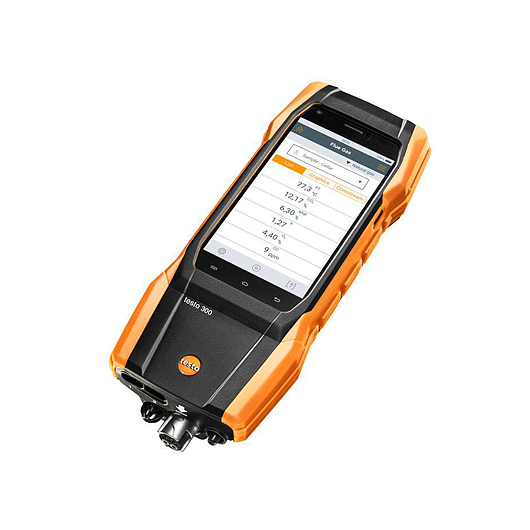
Why calibration matters for combustion and emission analyzers
Combustion analyzers are used to evaluate how efficiently fuel is being burned and whether gas concentrations remain within expected operating ranges. When calibration is overdue, small errors in gas measurement can lead to incorrect tuning decisions, inefficient combustion, unnecessary fuel consumption, or misleading service reports.
Regular calibration helps verify that the instrument responds correctly across the intended measurement range and that readings remain aligned with known reference standards. For service teams and maintenance contractors, this supports more reliable troubleshooting and a better basis for comparing results between visits, sites, or instruments.
Typical instruments covered in this service category
This service category is designed for analyzers used to measure combustion and emission-related gas values in real operating environments. These instruments are commonly used during boiler commissioning, furnace maintenance, burner adjustment, and exhaust gas analysis where dependable readings are essential for safe and efficient operation.
Examples in this category include service options for widely used brands such as TESTO and Sauermann. Representative listings include the TESTO Combustion/Emission Analyzer Calibration Service, the Sauermann Combustion/Emission analyzer Calibration Service, and the KIMO Combustion/Emission Analyzer Calibration Service. These examples help illustrate the type of instrument support available without limiting the category to one specific application scenario.
What users typically expect from calibration support
For most B2B buyers, calibration is not only about adjusting an instrument. It is also about confirming that the analyzer remains suitable for field use, especially when measurement results are part of maintenance records, commissioning documentation, or internal quality procedures. A good calibration process helps identify whether the instrument is performing within expected tolerances and whether additional service actions may be needed.
In practical terms, customers often look for measurement confidence, better repeatability, and reduced risk of basing operational decisions on drifting values. This is especially relevant when combustion analyzers are used frequently in demanding environments where sensors and sampling components may be exposed to heat, moisture, and combustion by-products.
Common application environments
Combustion and emission analyzers are used across a broad range of technical service environments. HVAC technicians may rely on them for boiler and burner tuning, while industrial maintenance teams may use them to evaluate combustion conditions in heaters, ovens, or thermal process systems. In each case, the goal is to obtain readings that reflect actual operating conditions rather than instrument drift.
Calibration support is particularly valuable in organizations that manage multiple instruments across service fleets or maintenance departments. Standardizing calibration intervals can improve consistency between technicians, support internal quality systems, and make it easier to compare data over time. When gas measurement is part of a broader test strategy, related services such as air quality meter calibration or fixed gas meter calibration may also be relevant.
How to choose the right calibration service
Selecting the right service starts with the analyzer type, brand, and the way the instrument is used in the field. Buyers should consider whether the device is primarily used for routine HVAC service, industrial combustion checks, or emissions-related measurements that require a more structured maintenance schedule. The service decision should also reflect how critical the analyzer is to reporting, troubleshooting, or operational tuning.
It is also helpful to match the service to the actual instrument family in use. If your maintenance team works with equipment from established brands, this category provides a practical path to calibration for supported models associated with manufacturers such as TESTO and Sauermann. For organizations managing multiple gas-measurement devices, it may be useful to review adjacent services like single gas meter calibration service when building a broader maintenance plan.
Examples of services available in this category
The product selection in this category includes several representative service options for combustion and emission analyzers. The TESTO Combustion/Emission Analyzer Calibration Service is relevant for users operating TESTO analyzers in HVAC and industrial service environments. The Sauermann Combustion/Emission analyzer Calibration Service and KIMO Combustion/Emission Analyzer Calibration Service support users working with Sauermann-related instrument lines.
These listings are useful reference points for procurement teams, service managers, and maintenance personnel who need calibration aligned with their installed instrument base. Rather than treating all gas instruments the same, this category focuses specifically on analyzers used for combustion and emission measurement, where dependable gas readings directly affect service quality and operational decisions.
When to consider recalibration
Many users send an analyzer for calibration on a scheduled basis, but timing may also depend on actual field conditions. Recalibration is worth considering after heavy usage, long storage periods, transport-related impact, inconsistent readings, sensor replacement, or any situation where measurement trust has been reduced. If technicians notice that results no longer align with expected combustion conditions, calibration can help confirm whether the issue lies with the process or the instrument.
For companies with regular service contracts or maintenance programs, a planned calibration cycle supports better equipment readiness and fewer interruptions. It also helps avoid situations where inaccurate readings influence burner adjustments, efficiency analysis, or troubleshooting outcomes.
Supporting reliable gas measurement across service operations
Combustion and emission analyzers are often used at the point where field decisions are made, so their calibration status has a direct effect on the quality of maintenance work. Keeping these instruments properly calibrated supports more dependable diagnostics, clearer reporting, and greater confidence in the readings used for setup or verification tasks.
If your team depends on combustion testing for HVAC, boiler, or industrial heating applications, this category provides a focused way to identify the right calibration service for your analyzer fleet. Reviewing the available options by brand and instrument type can help you maintain reliable performance and keep gas measurement workflows on a sound technical basis.
-
-
-
-
-
-
-
-
-
-
-
-
-
-
-
-
-
-
-
-
-
-
-
-