

Syrup Meter Calibration Service
Accurate syrup testing depends on more than the instrument itself. In maple production, food processing, and quality control workflows, even a small measurement drift can affect grading, consistency, and process decisions. A reliable Syrup Meter Calibration Service helps keep photometers and related syrup-testing instruments aligned with the values you depend on during routine inspection and product verification.
This category is intended for users who need calibration support for syrup measurement equipment, especially where repeatable readings and documented performance matter. Whether the instrument is used in production control, incoming inspection, or laboratory checks, regular calibration is an important part of maintaining confidence in the measurement result.
Why calibration matters for syrup measurement instruments
Syrup measurement devices are typically used in applications where appearance, concentration, or product quality must be evaluated consistently. Over time, normal use, handling, transport, and environmental conditions can influence instrument response. Calibration helps verify that the device is still reading within acceptable limits and provides a clearer basis for daily use.
For facilities that work with maple syrup or similar liquid products, dependable calibration supports measurement traceability, better process control, and more consistent product assessment. It can also reduce uncertainty when comparing current readings against historical data or internal quality targets.
Typical scope of a syrup meter calibration service
A syrup meter calibration service generally focuses on checking instrument performance against known reference conditions and confirming whether the device remains suitable for use. For photometric instruments, this often includes evaluation of response accuracy, repeatability, and overall measurement stability.
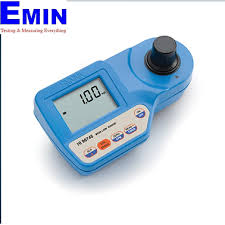
Service requirements can vary depending on the instrument type and how it is used in the field or lab. In this category, a representative example is the Hanna Maple Syrup Photometer Calibration Service, which is relevant for users operating dedicated syrup photometer equipment in maple-related testing workflows.
Suitable users and applications
This service is relevant for organizations that rely on syrup analysis as part of routine quality assurance. That may include maple syrup producers, food and beverage processors, inspection laboratories, and distributors that need confidence in analytical readings before product release or acceptance.
Calibration is especially valuable when instruments are used frequently, moved between sites, or exposed to changing operating conditions. In these environments, regular service helps reduce the risk of unnoticed drift and supports a more stable inspection process from batch to batch.
HANNA instruments and service relevance
Many users in this area work with devices from HANNA, particularly when the application involves compact field or benchtop photometric testing. When the instrument is part of a routine maple syrup quality workflow, calibration support can help maintain dependable operation over time and improve confidence in day-to-day readings.
Rather than replacing good operating practice, calibration complements it. Proper handling, clean measurement surfaces, correct sample preparation, and scheduled verification all contribute to better performance. A structured service program makes it easier to keep these practices aligned with the actual condition of the instrument.
How to decide when calibration is needed
Calibration intervals should reflect how often the instrument is used, how critical the measurement is, and whether the device has been exposed to impact, transport, or unusual environmental conditions. If readings appear inconsistent, if the instrument has not been checked for an extended period, or if internal quality procedures require documentation, calibration should be considered promptly.
Some users schedule service at fixed intervals to support audit readiness and minimize unexpected downtime. Others send equipment in after a suspected deviation or before a critical production period. In either case, the goal is the same: confirm that the instrument is still suitable for the measurement task it performs.
Related calibration services in adjacent workflows
Syrup testing is often part of a wider quality control environment where multiple measurement devices are used together. Depending on the process, facilities may also need support for instruments that monitor storage conditions, product environment, or additional liquid properties.
If your operation includes broader testing requirements, you may also review related services such as water activity meter calibration for shelf-life and moisture-related control, or alcohol meter calibration for liquid measurement workflows in adjacent food and beverage applications.
What to prepare before sending an instrument for calibration
Before arranging service, it is helpful to confirm the instrument model, application, and any recent measurement concerns. If the device has shown unstable readings, error messages, or unusual behavior, providing that information can make evaluation more efficient and more relevant to actual use conditions.
Users should also consider whether they need service records for internal quality systems or purchasing documentation. Clear information about the equipment history and operating context helps ensure the calibration process is matched to the instrument’s role in production or laboratory work.
Supporting consistent quality decisions
Choosing the right calibration support is ultimately about protecting the reliability of your measurement process. For syrup analysis applications, dependable instrument performance helps teams make more confident decisions about product quality, consistency, and routine control activities.
This category brings together calibration support for syrup measurement equipment with a practical focus on real operating needs. If your workflow depends on stable syrup readings, periodic service is a sensible step toward maintaining consistent results, stronger documentation, and better long-term use of the instrument.
-
-
-
-
-
-
-
-
-
-
-
-
-
-
-
-
-
-
-
-
-
-
-
-