

Multifunction environmental meter Calibration Service
Reliable environmental data depends not only on the quality of the instrument, but also on how well it is calibrated over time. In many facilities, a multifunction meter is used to check several ambient conditions with one device, which makes calibration especially important when those readings support quality control, compliance, maintenance, or field inspection work.
Multifunction environmental meter calibration service helps verify that combined measurement functions continue to perform within expected accuracy. This is particularly relevant for organizations that rely on portable meters across laboratories, warehouses, clean areas, production lines, HVAC assessments, or environmental monitoring routines.
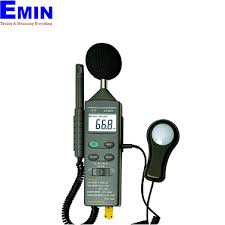
Why calibration matters for multifunction environmental meters
A multifunction environmental meter typically brings several sensing capabilities into a single handheld or portable platform. That convenience is valuable in daily work, but it also means one instrument may influence multiple inspection tasks. If calibration drifts, the effect is not limited to one parameter; it can impact several measurement points across operations.
Periodic calibration supports measurement confidence, traceability, and more consistent decision-making. It can also help users identify whether a meter remains suitable for continued service, needs adjustment, or should be compared against application-specific requirements before returning to use.
Typical use cases across industry and technical environments
These services are relevant anywhere environmental conditions need to be checked quickly and repeatedly. Common examples include facility management, HVAC field work, indoor environment assessments, industrial maintenance, storage area verification, and general technical inspection tasks where a compact all-in-one meter is preferred over carrying separate instruments.
In practice, calibration is often requested by teams that need dependable readings for audits, internal quality systems, preventive maintenance, or incoming and routine equipment control. Organizations using dedicated instruments for narrower tasks may also want to review related services such as light meter calibration service or dew point meter calibration service when their measurement program includes specialized environmental checks.
What this calibration service generally covers
The purpose of calibration is to evaluate how the instrument responds against reference conditions and determine whether its readings remain dependable for the functions it is designed to perform. For a multifunction unit, this process may involve reviewing each available measurement function relevant to the instrument configuration rather than treating the meter as a single undivided device.
Because product designs vary by manufacturer and model, the exact calibration scope should always be confirmed against the specific meter in use. That is why service selection is often tied to the actual brand and instrument family, especially for organizations managing mixed fleets of portable environmental meters.
Supported brands and example service options
This category includes calibration service options for instruments from widely used manufacturers such as TESTO, HACH, HORIBA, YSI, DEFELSKO, Eutech, HANNA, KANOMAX, MILWAUKEE, and EXTECH. Mentioning the brand is useful because service planning usually starts with the installed equipment base already in operation at the site.
Representative listings in this category include the TESTO Multi-function Environment Meter Calibration Service, HACH Multi-function Environment Meter Calibration Service, HORIBA Multi-function Environment Meter Calibration Service, YSI Multi-function Environment Meter Calibration Service, and DEFELSKO Multi-function Environment Meter Calibration Service. Additional options are also available for Eutech, HANNA, MILWAUKEE, KANOMAX, and HUMAS-branded service entries associated with EXTECH.
How to choose the right calibration path
When selecting a service, start with the exact manufacturer, instrument identity, and the measurement functions that are critical to your process. A multifunction device used for general environmental screening may have different calibration priorities than one supporting documented inspections or regulated workflows.
It is also useful to consider calibration interval, operating frequency, storage conditions, and how the instrument is handled in the field. Devices exposed to transport, changing temperatures, dust, humidity, or frequent use may require closer attention as part of a broader instrument management program.
If your workflow includes multiple environmental parameters measured by separate dedicated devices, related categories may be helpful for planning. For example, teams working with radiation or thermal exposure monitoring can explore radiometers, heat stress, solar, UV calibration service, while niche moisture-sensitive applications may also involve water activity meter calibration service.
Benefits for maintenance, quality, and compliance teams
For maintenance departments, calibration helps reduce uncertainty when environmental readings are used to troubleshoot equipment rooms, ventilation conditions, or site comfort issues. For quality teams, it supports more defensible records when environmental checks are part of inspection routines, storage validation, or process verification.
From a management perspective, regularly calibrated meters contribute to a more controlled measurement system. This is especially valuable when one portable device is shared across teams, because a single multifunction instrument may influence several workflows at once. In that context, traceable calibration is not only a technical requirement but also a practical way to improve consistency between users and locations.
When to schedule recalibration
There is no single interval that fits every operation. Recalibration timing usually depends on manufacturer guidance, usage intensity, internal quality procedures, audit requirements, and the criticality of the measurement results. Many organizations also schedule calibration after impact, repair, long storage, or whenever readings appear inconsistent in the field.
A structured schedule helps avoid unexpected gaps in measurement reliability. For businesses that rely on environmental checks as part of routine monitoring, proactive recalibration is often more efficient than waiting until questionable readings disrupt maintenance decisions or quality records.
Choosing service with the right level of technical relevance
Not every meter setup is the same, and not every application needs the same calibration focus. The most effective approach is to match the service to the actual instrument in use, the functions that matter most, and the way the device supports your operational or quality objectives.
This category is intended for organizations looking for a practical, brand-aligned route to environmental instrument calibration for multifunction meters. By choosing the appropriate service for your installed equipment, you can maintain more dependable readings, support internal control processes, and keep your measurement tools ready for day-to-day technical work.
-
-
-
-
-
-
-
-
-
-
-
-
-
-
-
-
-
-
-
-
-
-
-
-