

Dew Point Meter Calibration Service
Accurate moisture measurement is critical wherever compressed air, process gas, drying systems, or controlled environments are involved. Even a small drift in a dew point instrument can lead to misleading readings, affecting product quality, energy efficiency, and maintenance decisions. A professional Dew Point Meter Calibration Service helps verify that the instrument continues to deliver reliable data under real operating requirements.
For maintenance teams, quality departments, and industrial service providers, calibration is not only about compliance. It is also a practical way to reduce uncertainty in measurements, compare instruments consistently across sites, and support stable process control over time.
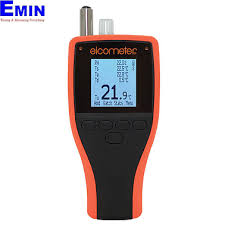
Why dew point calibration matters in industrial measurement
Dew point meters are commonly used to assess the moisture content of air or gas systems. In applications such as compressed air monitoring, dryers, pneumatic systems, and environmental control, measurement accuracy directly influences system performance. If the meter reads too high or too low, operators may respond incorrectly, either over-treating the process or missing an actual moisture issue.
Routine calibration helps confirm that the instrument remains within expected performance levels. It also provides a clearer basis for troubleshooting when process data appears inconsistent, especially in facilities where humidity and moisture measurements are linked to quality assurance or preventive maintenance programs.
What a dew point meter calibration service typically supports
A calibration service for dew point instruments is intended to check the meter against known reference conditions and determine whether its readings remain trustworthy across its working range. This is especially important for instruments that operate in demanding conditions, are used frequently in the field, or are part of a documented quality system.
Depending on the instrument type and service scope, calibration can support handheld meters, portable analyzers, or installed measurement devices. The goal is not simply to confirm that the device powers on, but to evaluate its measurement accuracy in a controlled and repeatable way so users can make decisions with greater confidence.
Common situations that indicate a meter should be calibrated
Many organizations calibrate on a scheduled basis, but there are also practical signs that service may be due earlier. If readings begin to drift compared with reference equipment, if process conditions appear unchanged while the displayed moisture level shifts unexpectedly, or if the instrument has been exposed to contamination, impact, or long periods of storage, calibration becomes more important.
Calibration is also advisable after repair, before critical audits, or when a meter is moved into a more demanding application. For teams managing multiple environmental instruments, it can be useful to align service intervals across related devices such as light meter calibration service or water activity meter calibration service programs.
Support for CS Instruments dew point devices
Where operations rely on CS Instruments equipment, having access to a service aligned with dew point measurement needs can simplify maintenance planning. One representative option in this category is the CS Instruments Dew point meter Calibration Service, which reflects the type of support users may look for when maintaining instrument performance over time.
For B2B buyers, brand-specific service availability can be useful when standardizing maintenance procedures, consolidating records, or supporting installed equipment already in daily use. At the same time, the main selection criterion should remain whether the service fits the instrument type, usage pattern, and required level of measurement confidence.
How to evaluate the right calibration service
When comparing service options, it helps to start with the role of the instrument in your process. A meter used for routine trend monitoring may have different service priorities than one used for verification, quality release, or troubleshooting critical compressed air performance. The more important the measurement is to process decisions, the more valuable a well-defined calibration approach becomes.
It is also useful to consider the instrument’s application history, expected operating range, and the need for documentation. In many industrial settings, buyers look for a service that supports traceable measurement practices, clear reporting, and practical turnaround planning. These factors often matter more than simply choosing the lowest-cost option.
Calibration as part of a broader environmental instrument program
Dew point measurement is often only one part of a larger monitoring strategy. Facilities may also maintain instruments for humidity-related product checks, optical measurements, or specialized environmental testing. Managing calibration in a coordinated way can reduce downtime, improve scheduling, and make it easier to maintain consistent records across departments.
If your organization handles several instrument types, it may be helpful to review related services such as radiometer and UV calibration support or alcohol meter calibration service where those devices are also part of the inspection or quality workflow.
Choosing service with long-term reliability in mind
A dew point meter is only as useful as the confidence users have in its readings. Regular calibration supports better diagnostics, more stable process control, and more meaningful measurement records across the equipment lifecycle. This is particularly relevant in industrial environments where moisture levels influence product consistency, system health, or compliance activities.
When selecting a dew point calibration option, focus on practical fit: the instrument in use, the importance of the measurement, and how the service supports ongoing maintenance planning. A clear, well-matched calibration program helps keep moisture measurement dependable, so operating teams can make decisions based on data they trust.
-
-
-
-
-
-
-
-
-
-
-
-
-
-
-
-
-
-
-
-
-
-
-
-