

Aluminum Meter Calibration Service
Accurate readings matter whenever aluminum content must be monitored for process control, product quality, or laboratory verification. When an instrument begins to drift, even small measurement errors can affect reporting consistency, comparison between batches, and confidence in analytical results. A professional Aluminum Meter Calibration Service helps restore traceability and ensures the device continues to perform within the expected measurement framework.
For industrial users, laboratories, and technical service teams, calibration is not only about confirming a number on the screen. It is also about checking instrument response, identifying deviation over time, and reducing the risk of decisions based on unstable measurements. This is especially important in environments where metal analysis supports routine inspection, compliance work, or production monitoring.
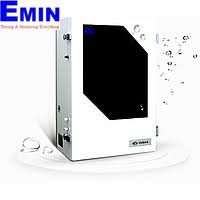
Why calibration is important for aluminum measurement instruments
Measurement devices used for aluminum analysis are expected to provide repeatable and trustworthy results over time. In practice, factors such as routine use, environmental conditions, handling, aging of internal components, and storage conditions can all influence performance. Regular calibration helps detect these changes before they become larger operational issues.
A structured calibration service supports measurement reliability by comparing instrument performance against recognized references and documenting the outcome. This gives maintenance teams, QA departments, and lab personnel a clearer basis for deciding whether an instrument is suitable for continued use, needs adjustment, or should be evaluated further.
What an aluminum meter calibration service typically supports
Although exact procedures depend on the instrument type and its measurement principle, calibration service generally focuses on verifying how the meter responds across its intended operating range. The goal is not simply to confirm that the unit powers on, but to assess whether the readings remain consistent and usable for technical work.
Users often look for calibration support when instruments are part of a scheduled maintenance plan, after a long period of operation, following transport, or before critical testing activities. In these situations, a dedicated service such as the HUMAS Aluminum Meter Calibration Service can be a practical option for organizations that need documented verification from a specialized provider.
Typical use cases in industrial and laboratory environments
Aluminum measurement may be relevant in production, materials handling, environmental testing, research activities, and quality assurance workflows. In these settings, the value of calibration is closely tied to process consistency. If one instrument reads differently from another, or if long-term drift goes unnoticed, trend analysis and acceptance decisions become less dependable.
This is why many B2B users include calibration in a broader instrument control strategy. Alongside process documentation and routine checks, scheduled service helps maintain a more stable measurement system. Where multiple environmental or analytical instruments are managed together, related services such as light meter calibration or dew point meter calibration may also be relevant depending on the application.
How to evaluate a calibration service provider
When selecting a service for aluminum meters, buyers usually look beyond availability alone. Useful criteria include the provider’s technical scope, experience with instrument handling, clarity of service documentation, and whether the results can be integrated into internal maintenance or quality records. For many organizations, the practical value of calibration lies in both the measurement check and the documentation that supports audit readiness.
It is also helpful to consider lead time, service process, and compatibility with your installed equipment base. If your team works with instruments from a known supplier, reviewing the provider’s related brand ecosystem can simplify sourcing. For example, HUMAS is one of the names associated with this category and may be relevant where existing instrument fleets or service preferences already align with that manufacturer.
When to schedule recalibration
There is no universal interval that fits every aluminum meter. Calibration frequency usually depends on how often the device is used, how critical the measurement is, the operating environment, and any internal quality procedures your facility follows. Instruments used in frequent testing or high-impact decision points often require tighter service intervals than units used occasionally for reference checks.
Recalibration may also be advisable after physical shock, relocation, repairs, unusual readings, or extended storage. If results begin to differ from expected process behavior or from another verified instrument, calibration can help determine whether the issue is related to the meter itself or to the sample and test conditions.
Calibration as part of a broader instrument management plan
For many technical teams, aluminum meter calibration is one element of a larger maintenance and verification program. Grouping services by instrument family can improve scheduling efficiency and reduce the chance of overdue equipment. This is particularly useful for facilities that manage several environmental or analytical devices across production lines, field use, or lab operations.
Depending on the measurement portfolio, organizations may also review adjacent services such as water activity meter calibration to keep multiple critical instruments aligned within the same quality system. A more coordinated approach makes service planning easier and helps maintain confidence in recorded data across departments.
Choosing the right service for your application
The right calibration service should match the operational importance of the instrument and the way your organization uses measurement data. Some users need support mainly for routine preventive maintenance, while others require calibration records to support regulated workflows, internal audits, or customer-facing quality documentation. Understanding that context helps narrow the most appropriate service path.
If your aluminum measurement device plays a meaningful role in product quality, testing repeatability, or process decisions, regular calibration is a practical investment in dependable results. A well-chosen service supports better instrument control, reduces uncertainty in day-to-day use, and helps teams work with greater confidence in the data they rely on.
-
-
-
-
-
-
-
-
-
-
-
-
-
-
-
-
-
-
-
-
-
-
-
-