

Battery Discharger Calibration Service
Accurate discharge testing is essential when battery performance data is used for maintenance planning, quality control, backup power verification, or lifecycle evaluation. When a battery discharger is out of calibration, current, voltage, time, and capacity results can drift enough to affect engineering decisions, compliance records, and service outcomes. A professional Battery Discharger Calibration Service helps keep these measurements reliable and traceable for day-to-day technical work.
For organizations that depend on repeatable battery testing, calibration is not only about instrument accuracy. It also supports consistent test methods, cleaner comparison between assets, and greater confidence in reported discharge results across service teams, laboratories, and industrial sites.
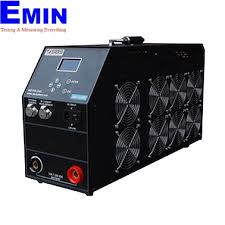
Why calibration matters for battery discharge equipment
Battery dischargers are commonly used to evaluate stored energy performance under controlled load conditions. In practice, users rely on these systems to verify whether a battery can deliver expected runtime, maintain voltage within limits, and perform consistently under test. If the instrument applies incorrect load conditions or records measurement values inaccurately, the final assessment of battery health may be misleading.
A structured calibration process helps confirm that the discharger is operating within acceptable tolerance for the parameters that matter most. This is especially important in environments where test data informs maintenance schedules, replacement timing, acceptance checks, or service documentation. In these cases, measurement confidence is just as important as the test itself.
What is typically evaluated during a battery discharger calibration service
The exact scope can vary by equipment type, but battery discharger calibration generally focuses on the instrument’s ability to control and measure key electrical values correctly. This may include verification of discharge current, voltage reading, timing behavior, and related output performance under defined conditions.
For many users, the value of calibration is not limited to pass or fail status. It also provides a clearer view of whether the instrument remains suitable for routine test workloads, trending tasks, or documented maintenance activities. Where battery discharge equipment is part of a larger test workflow, this service can complement broader DC electronic load calibration services used in other power and load simulation applications.
Common applications and users
This type of service is relevant across many technical sectors that depend on dependable battery performance data. Typical users include maintenance teams working with backup power systems, industrial facilities monitoring battery banks, service providers handling field test equipment, and technical departments supporting inspection or validation programs.
Battery discharger calibration is also useful where records must be consistent over time. When organizations compare test results across different intervals or different units, stable calibration helps reduce uncertainty caused by the instrument itself. That makes it easier to separate actual battery degradation from simple instrument error.
Support for SBS battery discharge equipment
Where SBS equipment is part of the testing workflow, users often look for service options that align with the operating characteristics of that installed base. This category includes support relevant to SBS equipment and related calibration needs within battery discharge applications.
One representative offering is the SBS Battery Discharger Calibration Service, which is relevant for organizations using SBS platforms in battery evaluation and maintenance programs. Referencing a specific service example can help buyers identify the right service path more quickly, especially when their site standardizes around one manufacturer or one family of test equipment.
How to choose the right calibration service
Selection usually starts with the role of the instrument in your process. If the battery discharger is used for routine maintenance checks, the priority may be stable verification and service continuity. If it supports documented technical reports or acceptance testing, users may place more emphasis on traceability, repeatability, and service records that fit internal quality procedures.
It is also useful to review the equipment’s operating range, how often it is used, and whether it is exposed to transport, high workload, or demanding site conditions. Instruments that are frequently moved or heavily used may require closer attention to calibration intervals. Choosing a service aligned with the equipment’s real operating environment helps maintain consistent test results over time.
Battery discharger calibration within a broader service program
In many facilities, battery discharge equipment is only one part of a wider electrical test and maintenance ecosystem. Calibration planning often works best when battery dischargers are managed alongside related load, measurement, and inspection devices. This creates a more organized service schedule and reduces gaps between interconnected test functions.
For buyers comparing options, this category sits within a broader service framework but remains focused on the requirements of battery discharge systems specifically. If you want to explore the full category context for similar equipment, you can also review the dedicated battery discharger calibration service listing and compare it with adjacent calibration paths where needed.
When recalibration should be considered
Recalibration is often scheduled at regular intervals, but interval-based servicing is not the only trigger. It may also be appropriate after repair, after unexpected measurement behavior, after transport between sites, or when test results no longer align with reference expectations. In operational settings, these signs are often the first indication that the instrument should be checked.
Another practical reason for recalibration is process consistency. Even if obvious faults are not visible, gradual drift can affect long-term comparison of discharge data. Periodic service helps preserve confidence in battery runtime evaluation, condition tracking, and maintenance decisions based on historical records.
Choosing with confidence
Reliable battery testing depends on more than the battery alone; it also depends on the quality of the equipment used to evaluate it. A well-chosen calibration service helps ensure that discharge measurements remain dependable, repeatable, and suitable for technical decision-making in industrial and service environments.
If your workflow relies on battery discharge data for inspection, maintenance, or performance verification, this category provides a focused starting point for selecting the right service. Reviewing compatible service options, supported manufacturers, and the role of the instrument in your process will help you identify the most appropriate calibration path.
-
-
-
-
-
-
-
-
-
-
-
-
-
-
-
-
-
-
-
-
-
-
-
-