

Power Factor Regulator calibration Service
Stable reactive power control depends on more than correct installation. In capacitor bank systems, even small drift in measurement or control behavior can cause poor switching decisions, overcorrection, unnecessary capacitor wear, or inconsistent power factor performance. That is why Power Factor Regulator calibration Service is relevant for facilities that rely on automatic power factor correction in industrial and commercial electrical networks.
This service category is intended for users who need more confidence in how a regulator senses electrical conditions, responds to load variation, and manages capacitor steps over time. Whether the device is part of a new panel, a periodic maintenance plan, or a troubleshooting workflow, proper calibration helps support more reliable compensation performance and more consistent operation of the overall system.
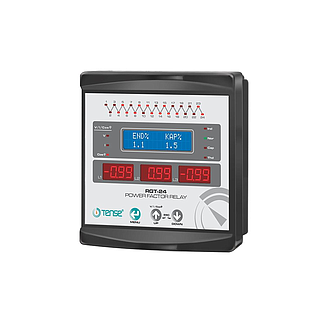
Why calibration matters for power factor regulators
A power factor regulator is used to monitor network conditions and control capacitor bank switching so the system can maintain the desired compensation level. In practice, this means the regulator must interpret measurement inputs correctly and apply control logic in a stable, predictable way. If its readings or response timing are off, the compensation system may not behave as intended.
Calibration helps verify that the regulator operates within acceptable reference conditions and supports dependable decision-making in the field. This is especially important in installations where load profiles change throughout the day, where multiple capacitor steps are switched frequently, or where the regulator works alongside other metering and automation devices.
Typical situations where this service is useful
Many users look for calibration when they notice symptoms such as unstable power factor display, frequent capacitor step switching, unexpected alarm behavior, or inconsistency between the regulator and panel meter readings. In other cases, calibration is part of preventive maintenance, commissioning, or quality control before equipment is returned to operation.
This service can also be relevant when the regulator is installed in a broader compensation and monitoring system. If the application includes associated measurement devices, related services such as panel meter calibration may help improve overall measurement consistency across the panel.
What is typically checked during a calibration workflow
For a power factor regulator, the calibration process usually focuses on how the device interprets electrical inputs and how accurately it responds through its control functions. This may include verification of displayed values, comparison against reference instruments, and review of operating behavior related to switching thresholds or compensation logic. The exact scope depends on the equipment condition and the intended maintenance objective.
Functional verification is often just as important as pure numeric checking. In real applications, a regulator is not an isolated component; it works as part of a capacitor bank control chain. For that reason, calibration is often considered together with the connected sensing circuit, CT-related measurement path, and the expected switching sequence of the capacitor stages.
Fit within capacitor bank and electrical maintenance programs
Power factor regulators are closely linked to capacitor-based correction systems, so calibration makes the most sense when viewed within a wider maintenance strategy. If the compensation bank includes capacitors that require periodic assessment, services such as BTB ELECTRIC Capacitor Calibration Service can be relevant in the same maintenance cycle. This helps users evaluate not only the controller but also a key reactive power component in the system.
In facilities with broader electrical automation assets, calibration planning may also extend to neighboring equipment categories. For example, if the application involves variable-speed drive environments or compensation behavior influenced by load dynamics, reviewing an inverter calibration service may be useful as part of a more complete reliability approach.
Supported brands and example service references
This category includes service references associated with manufacturers such as BTB ELECTRIC and SEW. The available examples in this category are focused on calibration-related services connected to capacitor applications, including BTB ELECTRIC Capacitor Calibration Service and SELEC Capacitor Calibration Service. These examples help illustrate the surrounding service ecosystem rather than limit the category to one exact device format.
When selecting a service path, users typically look at the installed equipment brand, the role of the device in the panel, and the level of traceability or verification required by their maintenance process. In B2B environments, this is especially important for plants that need repeatable service records and clearer alignment between field performance and maintenance documentation.
How to choose the right service scope
The right calibration scope depends on the operating context. A plant investigating abnormal switching behavior may need a service focused on troubleshooting and functional checks, while a scheduled maintenance program may prioritize periodic verification and documentation. If the regulator is only one part of a larger electrical panel issue, it is often better to review the complete chain of measurement, control, and compensation rather than assess the controller alone.
Application context matters as much as device type. Users should consider how the regulator is used, what kind of load variation the system sees, and whether related instruments show matching values. This practical approach helps ensure that calibration supports actual operating conditions instead of becoming an isolated bench activity with limited field value.
A practical service category for maintaining compensation performance
Power factor correction systems rely on coordinated behavior between sensing, control, and capacitor switching. A well-planned calibration service for the regulator helps reduce uncertainty in that control layer and supports more consistent system operation over time. It is a sensible option for commissioning checks, routine maintenance, and investigations into unstable compensation behavior.
For buyers, maintenance teams, and technical users, this category provides a focused starting point when the goal is to improve confidence in automatic power factor control. If your system includes related metering, capacitor, or drive equipment, combining services where appropriate can also create a more complete maintenance picture across the electrical installation.
-
-
-
-
-
-
-
-
-
-
-
-
-
-
-
-
-
-
-
-
-
-
-
-