

Textile moisture meter Calibration Service
Reliable moisture readings are critical in textile production, storage, and quality control. When a meter begins to drift, even small measurement errors can affect drying decisions, incoming material checks, process consistency, and documentation. A professional Textile moisture meter Calibration Service helps keep instruments aligned with their intended performance so operators can make decisions with greater confidence.
This category focuses on calibration support for textile moisture meters used in industrial and commercial environments. It is relevant for facilities working with fibers, fabrics, yarns, and other moisture-sensitive textile materials where repeatable measurement matters for process stability and product quality.
Why calibration matters for textile moisture measurement
Textile materials can respond quickly to changes in ambient humidity, storage conditions, and process parameters. Because of that, moisture meters are often used as part of routine checks to support drying, conditioning, inspection, and acceptance decisions. If the instrument is out of calibration, the resulting data may no longer reflect the actual moisture condition of the material being tested.
A proper calibration service helps verify that the meter is reading within an acceptable range and behaving consistently across normal operating conditions. This is especially important in environments where moisture content influences handling, product quality, or downstream manufacturing steps.
Typical use cases in textile and fabric applications
Textile moisture meters are commonly used where excess or insufficient moisture can create practical problems. Depending on the workflow, this may involve checking raw fibers, monitoring fabric condition before processing, verifying drying results, or supporting storage and transport controls.
In these settings, calibration is not only about instrument maintenance. It also supports measurement consistency between operators, shifts, and locations. For businesses that rely on traceable quality procedures, scheduled calibration can be an important part of routine equipment management.
What this service category is designed to support
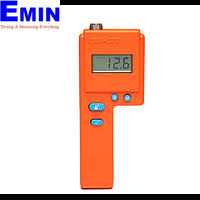
This category is intended for users looking for calibration options specific to textile-focused moisture measurement instruments. It includes solutions such as the DELMHORST Textile Moisture Meter Calibration Service, which is relevant when a dedicated textile meter requires periodic verification and service support.
For organizations using equipment from DELMHORST, calibration can help maintain dependable readings over time and support more stable day-to-day use. The exact service workflow may vary by instrument type and condition, but the main objective remains the same: keeping the meter suitable for practical measurement tasks in textile applications.
When to consider recalibration
Many users send a moisture meter for recalibration on a periodic schedule, but timing can also depend on actual field conditions. Heavy use, transport between sites, long storage periods, unusual readings, or exposure to harsh environments can all be reasons to check the instrument sooner.
Recalibration is also worth considering after repair, after suspected impact or damage, or when measurement results no longer match expected process behavior. In a textile environment, a meter that appears to be reading only slightly high or low can still influence drying decisions and quality evaluations in a meaningful way.
How textile meter calibration fits into a wider moisture control program
Textile operations rarely manage moisture in isolation. In many facilities, moisture measurement is closely connected to room condition, storage stability, and environmental control. That is why calibration planning is often more effective when viewed as part of a broader equipment reliability program rather than as a single standalone task.
If your process also depends on ambient humidity control equipment, related services such as dehumidifier calibration or humidifier calibration may also be relevant. Looking at the full measurement and conditioning chain can help reduce avoidable variability across the process.
Related moisture meter calibration needs across industries
While this page focuses on textile instruments, moisture calibration needs often extend into other material groups as well. Companies that work across multiple sectors may also use dedicated devices for agricultural materials, biomass, or environmental applications, each of which can require its own calibration approach.
For example, users managing several moisture measurement workflows may also review services for soil moisture meters. This kind of category separation helps ensure the service selected is appropriate for the instrument type and application context.
Choosing the right service for your instrument
When selecting a textile moisture meter calibration service, it is useful to confirm the instrument type, intended application, and manufacturer alignment. A service that matches the actual meter in use is more likely to support practical results and reduce delays in the maintenance cycle.
It is also helpful to think about internal maintenance intervals, documentation needs, and how the instrument is used in daily operations. For production, inspection, and quality teams, the goal is not just to send equipment out for service, but to keep critical measurement tools dependable and ready for routine work.
Supporting dependable textile quality control
Accurate moisture measurement plays a practical role in textile handling, processing, and quality assurance. By using a dedicated textile moisture meter calibration service, businesses can support more consistent readings, reduce uncertainty in routine checks, and improve confidence in moisture-related decisions.
If your operation depends on stable moisture measurement in fabrics, fibers, or related materials, this category provides a focused starting point for selecting the appropriate calibration support. A well-maintained meter is a small part of the process, but it can have a meaningful impact on everyday quality control and process reliability.
-
-
-
-
-
-
-
-
-
-
-
-
-
-
-
-
-
-
-
-
-
-
-
-