

Bus connector Siemens
Reliable fieldbus communication depends on more than the PLC or the network cable alone. In many PROFIBUS installations, the connector is a small but critical component that affects signal stability, wiring convenience, maintenance access, and overall network uptime. This is especially important in control panels and machine layouts where space is limited and cable routing must remain clean and serviceable.
Bus connector Siemens products in this category are used to connect PROFIBUS devices in industrial automation systems. They are commonly selected for SIMATIC environments and similar setups where consistent communication, practical cable outlet direction, and correct bus termination are important parts of the installation.
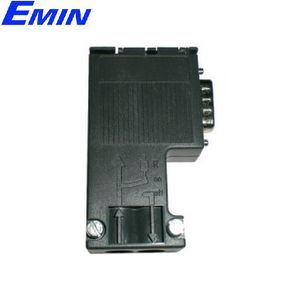
Where Siemens bus connectors are used
These connectors are typically installed in PLC cabinets, distributed I/O systems, operator panel networks, drives, and machine-level automation nodes that communicate through PROFIBUS. In these environments, the connector is not just a mechanical accessory; it helps create a stable physical link between the communication cable and the device port.
For users working within the broader SIEMENS product range, choosing the right connector often depends on cabinet depth, preferred cable exit angle, and whether commissioning access through a PG socket is needed. The category is particularly relevant for retrofit work, maintenance replacement, and new machine builds that still rely on PROFIBUS infrastructure.
Common connector variations in this category
Although the products serve a similar purpose, there are practical differences between models. Some versions are designed with a 35 degree or 90 degree cable outlet, while others use a tilted cable exit to support tighter panel layouts or cleaner cable routing. This matters when devices are mounted close together or when the cable must bend away from nearby hardware.
Another difference is whether the connector includes a PG socket. In many service and commissioning scenarios, a PG socket allows temporary programming or diagnostic access without fully interrupting the existing network connection. For some installations, this can simplify troubleshooting and reduce downtime.
Examples in this category include Siemens 6ES7972-0BB60-0XA0 and 6ES7972-0BB52-0XA0 for PROFIBUS applications up to 12 Mbit/s, as well as models such as 6ES7972-0BA60-0XA0 and 6ES7972-0BA52-0XA0 for configurations without a PG socket. Variants such as 6ES7972-0BB12-0XA0, 6ES7972-0BA42-0XA0, and 6ES7972-0BA12-0XA0 are also relevant when integrated termination features are required.
How to choose the right bus connector
A practical selection process starts with the physical installation. Check how much clearance is available in front of the communication port and around the cable path. A 90 degree outlet may suit dense cabinet layouts, while a 35 degree or tilted version may be easier to route in compact assemblies with less cable stress.
You should also confirm whether the connector needs termination with isolating function, especially if it will be installed at the end of a PROFIBUS segment. End-of-line termination is a basic but essential requirement for bus reliability, and using the correct connector type can help avoid communication faults caused by improper segment setup.
If maintenance access is a priority, a model with a PG socket can be a better fit. If the goal is a simpler connection point with fewer service requirements, a version without a PG socket may be sufficient. For users comparing more device-side options in the same ecosystem, the related Siemens communication cable category can also be useful.
Typical Siemens products referenced in this range
Most featured items in this category are PROFIBUS bus connectors intended for automation networks up to 12 Mbit/s. These include common SIMATIC DP connector references that differ mainly by cable exit direction, installation geometry, and service access options. In practice, these small design changes can make a noticeable difference during panel assembly and field maintenance.
Some buyers also look at nearby accessories within the same automation environment, such as the SIEMENS 6ES7290-6AA30-0XA0 extension cable for S7-1200 module setup, the SIEMENS 6SE6400-1PC00-0AA0 PC connection cable, or the Siemens-6XV1840-2AH10 Profinet Cable. These are not direct substitutes for a PROFIBUS bus connector, but they show how communication and connection hardware fits into a broader Siemens automation architecture.
Installation considerations for stable communication
In industrial communication systems, consistent installation practice often matters as much as product choice. Cable routing should minimize unnecessary bending, and the connector should be seated correctly on the device interface. The selected outlet angle should support strain relief and reduce mechanical stress at the cable entry point.
For PROFIBUS networks, attention to segment termination, device position within the network, and maintenance accessibility helps reduce intermittent faults that are difficult to diagnose later. This is one reason many engineers standardize connector styles across a machine or production line wherever possible.
When a project also includes operator interfaces, related categories such as HMI S7-1200 or HMI for S7-200/300/400 systems may help users review compatible automation hardware in the same platform family.
Why this category matters in maintenance and retrofit projects
Many PROFIBUS installations remain active in factories, utilities, process plants, and OEM equipment. In those environments, connector availability is important for replacement work, expansion, and fault recovery. A failed or damaged connector can interrupt communication even when the PLC, field device, and cable are otherwise in working condition.
This category supports engineers and purchasing teams who need to identify suitable Siemens connector variants without searching through unrelated product types. It is especially useful when replacing an installed connector with the same outlet style or when adapting the layout to improve access inside an existing panel.
Short FAQ
Do all bus connectors in this category serve the same installation need?
No. They may support the same PROFIBUS communication concept, but they differ in cable outlet angle, presence of a PG socket, and termination-related design. These differences affect installation convenience and serviceability.
When is a PG socket useful?
A PG socket is helpful when programming, diagnostics, or commissioning access is needed without fully disconnecting the network path at that point.
Why does connector angle matter?
The outlet direction influences cabinet fit, cable bend radius, and ease of wiring. In compact control panels, the correct angle can simplify installation and reduce cable stress.
Choosing with confidence
For PROFIBUS-based automation systems, the right connector helps support reliable communication and cleaner installation. This category focuses on Siemens bus connector options that suit different wiring directions, service requirements, and network termination needs, making it easier to match the connector to the actual panel layout and maintenance workflow.
If you are selecting parts for a new build, system upgrade, or replacement job, it is worth comparing outlet style, PG access, and end-of-line requirements before ordering. A small connector choice can have a meaningful effect on installation efficiency and long-term network stability.
-
-
-
-
-
-
-
-
-
-
-
-
-
-
-
-
-
-
-
-
-
-
-
-