

Electrosurgical analyzer
Accurate verification of electrosurgical equipment is a critical part of preventive maintenance, safety testing, and service workflows in clinical engineering. When checking generator output, load behavior, leakage, and related performance parameters, the right electrosurgical analyzer helps technicians work with clearer data and more repeatable test procedures.
This category is intended for buyers who need instruments for evaluating electrosurgical units in healthcare environments, biomedical workshops, and device service operations. It focuses on test equipment designed to support controlled measurement, documentation, and routine validation of ESU performance without turning the page into a simple product list.
Where electrosurgical analyzers fit in medical device testing
Electrosurgical systems operate with high-frequency energy, so testing them requires instruments built for this specific application. Unlike general electrical meters, these analyzers are used to assess output power, current, voltage, load conditions, and leakage behavior in a way that aligns with practical service and compliance-oriented workflows.
Within a broader medical test environment, electrosurgical verification is often only one part of a maintenance program. Facilities may also work with tools for patient simulation, defibrillation testing, or other device-specific analyzers depending on the equipment being managed.
What an analyzer is typically used to measure
An electrosurgical analyzer is commonly selected to check how an ESU performs under defined load conditions and whether the delivered output remains within expected ranges. In day-to-day service work, this can include verifying power measurement, RMS voltage and current, and how the generator behaves across different operating settings.
Another important area is RF leakage, since high-frequency leakage paths can affect both safety evaluation and troubleshooting. Depending on the test setup, users may also look at return electrode monitoring behavior, switching response, waveform-related values, and data logging functions that support maintenance records.
Example equipment in this category
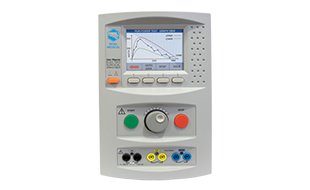
A representative instrument in this range is the Rigel medical Uni-Therm electrosurgical analyzer. Based on the provided product data, it is designed for measurement tasks involving True RMS power evaluation, variable load settings, leakage checks, return electrode monitoring, and stored test records for later download.
The listed specifications also indicate a wide measurement scope for electrosurgical service applications, including support for high RMS voltage and current ranges, adjustable load steps, and onboard memory for approximately 5,000 records. Features such as selectable delay handling, oscilloscope output, and USB connectivity can be useful where technicians need both bench testing flexibility and traceable reporting.
How to choose the right model for your workflow
The most suitable analyzer depends on the type of electrosurgical generators you service, the level of documentation required, and whether testing is performed mainly in the workshop or directly on site. Buyers should consider the expected output range of the devices under test, the types of measurements required, and whether variable loads are necessary for more detailed performance checks.
It is also worth reviewing the data handling side of the instrument. If your team needs to archive results, compare repeat tests, or integrate reports into maintenance processes, memory capacity and export options become more important. For facilities handling multiple device types, it may also be useful to view electrosurgical testing as part of a wider equipment strategy that can include infusion device analyzers or related categories.
Key considerations for service teams and biomedical departments
For biomedical engineers and third-party service providers, usability matters almost as much as measurement capability. Clear interfaces, stable test connections, practical control options, and repeatable load selection can reduce setup time and help standardize procedures across different technicians.
Isolation design, measurement bandwidth, and alarm handling are also relevant when evaluating instruments for real maintenance environments. These factors can influence confidence in the readings, especially when testing high-frequency surgical devices where signal conditions are very different from conventional low-frequency electrical measurements.
Related test equipment often used alongside electrosurgical analyzers
Electrosurgical testing is often performed within a larger ecosystem of medical device verification. Depending on the service scope, teams may also work with phantoms for application-specific testing scenarios, as well as analyzers for other active medical systems.
This broader view is useful when building a complete test bench, especially in hospitals, independent service organizations, and calibration labs. Rather than selecting instruments in isolation, many buyers compare categories based on device coverage, reporting needs, operator workflow, and the kinds of maintenance tasks performed most frequently.
Why category-level comparison matters
On a category page like this, the goal is not just to view one instrument but to understand what kind of analyzer is appropriate for the job. Comparing product architecture, measurement functions, and workflow support at the category level can help narrow down choices before moving into individual product details.
If your application involves routine ESU verification, troubleshooting inconsistent generator output, or documenting maintenance activities, a dedicated electrosurgical analyzer is the right starting point. Reviewing the available options in context makes it easier to choose equipment that fits both technical requirements and long-term service processes.
Conclusion
Choosing test equipment for electrosurgical systems requires attention to measurement scope, safety-related checks, data handling, and everyday usability. This category brings together instruments intended for those tasks, with solutions such as the Rigel medical Uni-Therm illustrating the type of functionality typically needed in professional medical device testing.
For buyers building or upgrading a biomedical test setup, it makes sense to assess not only the instrument range but also how the analyzer fits into the wider maintenance workflow. A well-matched solution supports more consistent testing, clearer records, and better confidence in the performance checks carried out on electrosurgical equipment.
-
-
-
-
-
-
-
-
-
-
-
-
-
-
-
-
-
-
-
-
-
-
-
-