

Electric Torque Multiplier
When bolted joints must be tightened to high torque values with repeatable control, manual tools can quickly become inefficient or physically demanding. In these situations, electric torque multipliers help maintenance teams, assembly lines, and industrial service operations apply higher torque with more consistent results and less operator strain.
This category brings together solutions designed for controlled high-torque fastening in industrial environments. It is especially relevant for applications where large fasteners, repetitive tightening work, or limited access make standard hand tools impractical.
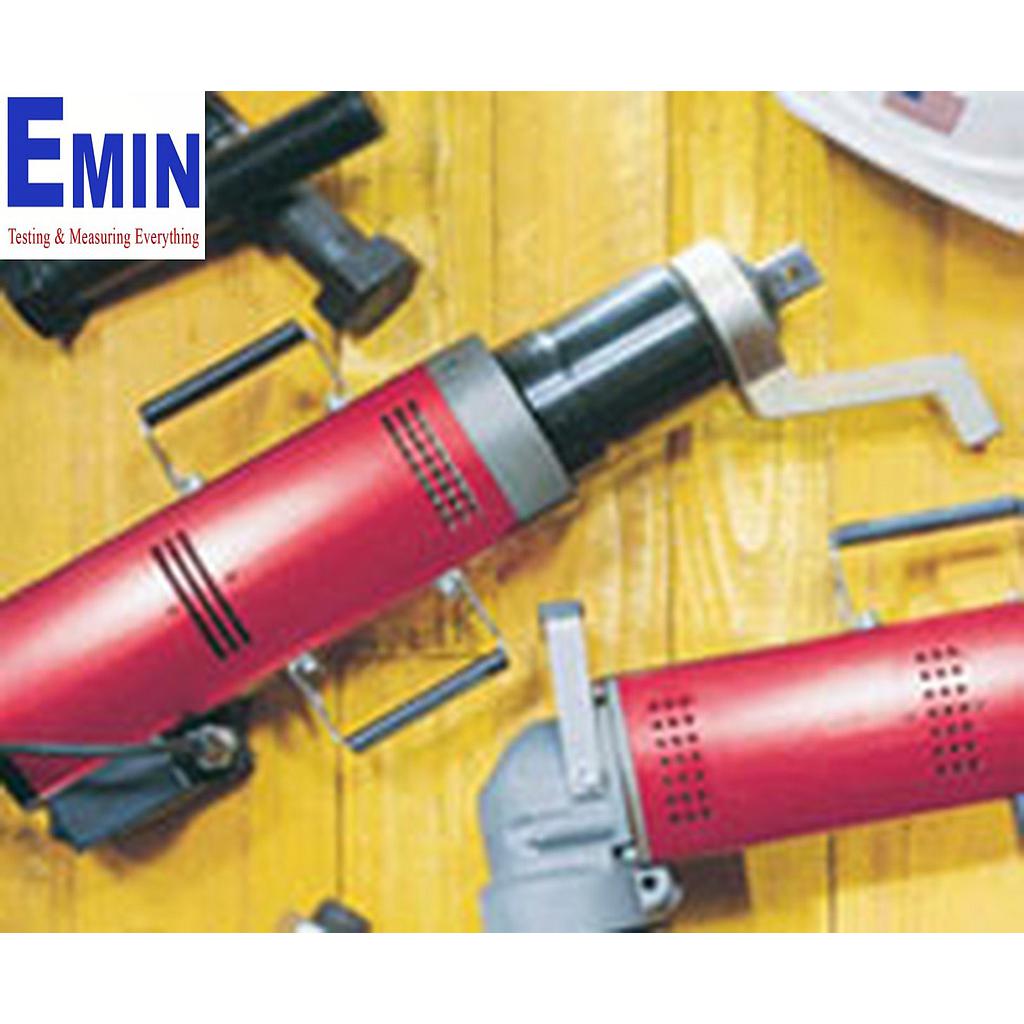
Where electric torque multipliers fit in industrial fastening
An electric torque multiplier is typically used when a joint requires substantially more torque than a conventional hand wrench can deliver comfortably. Instead of relying only on operator force, the tool uses an electric drive and mechanical reduction to multiply output torque, making it suitable for large bolted connections in production, installation, and maintenance work.
Compared with manual torque tools, these systems can improve workflow in tasks that involve repeated tightening cycles or demanding torque ranges. They are often considered where users need a balance between output capacity, speed, and more controlled operation across a series of fastening points.
Typical applications and working environments
These tools are commonly selected for heavy fastening tasks in industrial assembly, equipment maintenance, utilities, steel structures, and service work involving flanges, structural bolts, or large mechanical joints. They are also useful where technicians need to reduce physical effort while still working within a defined torque process.
In practical terms, the right tool depends on joint size, required torque range, available space around the fastener, and how often the task is repeated. For support tooling around the same workflow, some users also review related hand-tool categories such as socket wrench sets or a repair kit for routine service and maintenance.
Product range in this category
The selection in this category includes both high-capacity electric multipliers and torque wrench solutions for broader assembly requirements. For example, the Mountz range shown here includes models such as the EF-R 36P, EF-R 46P, and EF-R 80P, all designed for demanding torque applications in the 560 to 3780 N.m class. These variants differ in driver size, operating speed, and physical format, allowing users to match the tool to the joint and workspace.
For applications that require even higher torque, models such as the Mountz EFCip80, EFCip90, and EFCip100 extend the range further, with some versions reaching up to 6300 N.m and offering LED display functionality. This makes them relevant for users who need clearer operating feedback in higher-load fastening tasks.
The category also includes the KS Tools 516.1585 Torque Wrench Set, a 1/2" 48-piece set that is useful in general assembly and service work. While it serves a different role from an electric multiplier, it complements the fastening ecosystem by supporting lower-torque or standard mechanical tightening tasks around the same workshop or maintenance environment.
How to choose the right electric torque multiplier
The first selection factor is required torque range. The tool should cover the working torque of the joint without operating continuously at the extreme end of its capacity. This helps users maintain control and choose a tool that is better aligned with the actual fastening process.
The second factor is drive size and interface. In this category, available configurations include hex driver sizes as well as square input formats, depending on the model. The correct interface matters because it must match the sockets, reaction accessories, and fastening setup already used on site.
Another key consideration is speed versus output. Some models operate at higher RPM for faster tightening cycles, while others prioritize slower operation for heavy-duty torque delivery. Physical size and weight also matter, especially when the tool will be used in the field, at height, or in positions where handling comfort affects productivity and safety.
Why control and repeatability matter
In industrial bolting, reaching the target torque is only one part of the process. Equally important is doing it consistently across multiple joints. A more controlled tightening method can help reduce variation between operators and improve process repeatability in both assembly and maintenance environments.
Electric torque multipliers are therefore often chosen where teams want a practical step up from purely manual tightening without moving into a more complex bolting system. For many users, this makes them a useful option for medium- to high-torque applications that demand reliable performance and manageable operation.
Supporting tools and workshop integration
High-torque fastening rarely happens in isolation. Operators may still need complementary tooling for preparation, access, rework, or final checks. Depending on the task, adjacent categories such as a hex wrench set or other assembly tools can help complete the overall workflow without overloading one tool type with every job.
For buyers managing industrial procurement, it is often more efficient to evaluate electric torque multipliers as part of a wider fastening setup. That means considering the tool itself together with sockets, interfaces, access constraints, and the service conditions in which the equipment will be used day to day.
What to review before ordering
Before selecting a model, it is worth checking the target torque range, driver format, operating speed, and handling requirements of the application. If the work involves repeated cycles on large fasteners, the difference between a lighter, faster tool and a heavier, higher-capacity unit can be significant in practice.
It is also helpful to think about the broader maintenance environment. A workshop handling mixed fastening jobs may need both a dedicated electric multiplier for high-load joints and conventional torque or socket tools for preparation and finishing work. Reviewing the available models in this category with those job conditions in mind will make it easier to narrow down the right option.
For industrial users dealing with large bolted joints, repetitive fastening tasks, or demanding torque requirements, this category provides a focused starting point. By comparing torque capacity, speed, drive configuration, and handling needs, buyers can choose an electric torque multiplier that fits their process more naturally and supports safer, more efficient tightening work.
-
-
-
-
-
-
-
-
-
-
-
-
-
-
-
-
-
-
-
-
-
-
-
-